
 EN
EN
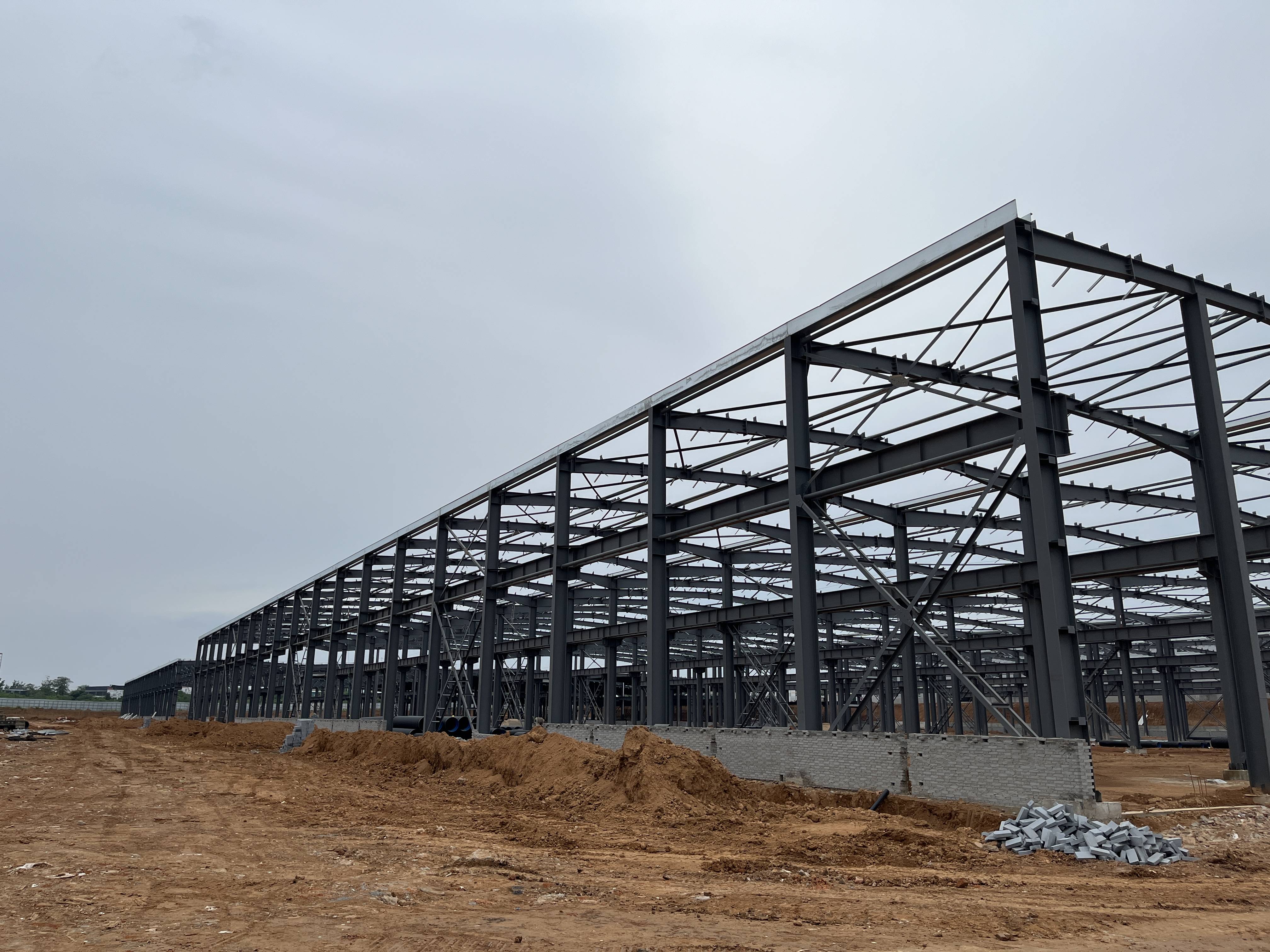
Steel Structure Fabrication Quality Control: Ensuring Reliable Performance from Material to Final Assembly
Introduction: Why Quality Control Matters in Steel Structure Fabrication
Quality control is one of the most important factors determining the reliability and service life of steel structures.
For industrial buildings, warehouses, bridges, and large-scale construction projects, steel components must meet strict requirements for strength, dimensional accuracy, welding quality, and structural performance.
A professional steel structure fabrication company does not only manufacture steel components but also manages the entire production process—from incoming material inspection to final testing and documentation.
Through systematic quality control procedures, manufacturers can minimize fabrication risks, improve installation efficiency, and ensure every steel structure meets engineering specifications and international standards.
1. Incoming Material Control Ensures Steel Quality and Traceability
Verifying Material Certificates and Steel Properties Before Production
The quality of a steel structure begins with the raw materials.
Before fabrication starts, professional manufacturers verify incoming steel materials through inspection of:
- Material certificates
- Steel grade information
- Chemical composition
- Mechanical properties
- Project specification requirements
Mill Test Reports (MTRs) provide important information about each batch of steel, including strength performance and material composition. These records help confirm that the supplied steel matches the required standards and application requirements.
By verifying materials before processing, manufacturers can prevent unsuitable materials from entering production and ensure the structural reliability of the final product.
Digital Traceability Systems Improve Production Control
Modern steel fabrication relies increasingly on digital traceability systems to monitor materials throughout the manufacturing process.
After inspection approval, steel components are assigned identification records such as:
- Heat numbers
- Labels
- Barcodes
- QR codes
These identifiers connect each steel component with its material information, fabrication records, and inspection history.
During cutting, welding, and assembly, manufacturers can track the production status of each component, creating a complete quality record from raw steel to finished structure.
This traceability improves production transparency and supports quality audits, project acceptance, and long-term maintenance requirements.
2. Precision Fabrication Ensures Dimensional Accuracy
Controlling Cutting, Drilling, and Assembly Accuracy
Dimensional accuracy directly affects the installation efficiency and structural performance of steel components.
During fabrication, manufacturers carefully control:
- Steel member dimensions
- Cutting accuracy
- Hole positioning
- Component alignment
- Assembly tolerances
Advanced equipment such as CNC cutting machines and precision measuring tools help maintain consistent fabrication accuracy.
Accurate production reduces problems during on-site installation, including:
- Connection difficulties
- Alignment issues
- Additional modification work
For large construction projects, precise fabrication helps shorten installation time and improve overall project efficiency.
3. Welding Quality Control Guarantees Structural Reliability
Qualified Welding Procedures and Professional Inspection
Welding is a critical process in steel structure fabrication because weld quality directly affects structural strength and safety.
Reliable manufacturers establish qualified welding procedures before production begins. These procedures define appropriate welding methods, materials, and inspection requirements.
During fabrication, weld quality is monitored through:
- Visual inspection
- Weld appearance checks
- Non-destructive testing when required
- Structural connection verification
For important load-bearing connections, advanced inspection methods may be applied to identify potential internal or surface defects.
Combining qualified welding procedures with professional inspection ensures that welded joints provide reliable performance under actual operating conditions.
4. Non-Destructive Testing Ensures Structural Integrity
Advanced Inspection Methods for Critical Steel Components
Non-destructive testing (NDT) allows manufacturers to evaluate steel components without damaging the structure.
Common testing methods include:
Visual Testing (VT)
Used for checking weld appearance, surface conditions, and basic fabrication quality.
Ultrasonic Testing (UT)
Used to detect internal weld defects that cannot be identified through visual inspection.
Magnetic Particle Testing (MT)
Used for identifying surface and near-surface defects in magnetic steel materials.
Liquid Penetrant Testing (PT)
Used for detecting surface cracks in suitable non-porous materials.
The selection of testing methods depends on project requirements, component importance, and applicable quality standards.
Through proper inspection procedures, manufacturers can identify potential issues before delivery and reduce structural risks during installation and operation.
5. Complete Documentation Supports Project Compliance
Maintaining Quality Records from Production to Delivery
Documentation is an essential part of professional steel structure fabrication.
A complete quality package may include:
- Material certificates
- Inspection reports
- Welding records
- Testing results
- Production records
- Final drawings
These documents provide evidence that every component has passed required inspections and meets project specifications.
For international construction projects, strong documentation systems help customers complete approvals, audits, and regulatory reviews more efficiently.
6. How Professional Steel Structure Manufacturers Maintain Quality
Choosing the right fabrication partner is essential for project success.
A reliable steel structure manufacturer should have:
Experienced Engineering Support
Professional engineers help optimize designs, select suitable materials, and solve fabrication challenges.
Advanced Manufacturing Equipment
Modern production equipment improves accuracy, efficiency, and consistency.
Strict Quality Management Systems
Quality procedures ensure that materials, fabrication processes, and final products are properly controlled.
Complete Inspection Capability
Professional inspection systems reduce risks and provide confidence before shipment.
By combining engineering expertise, manufacturing capability, and quality control processes, experienced suppliers can deliver steel structures that perform reliably in demanding environments.
FAQ About Steel Structure Fabrication Quality Control
Why is material traceability important in steel fabrication?
Material traceability ensures every steel component can be linked back to its original material information, inspection records, and fabrication history, improving quality control and project reliability.
How do manufacturers ensure steel structure quality?
Manufacturers ensure quality through material verification, precision fabrication, welding inspection, non-destructive testing, and complete documentation.
What inspections are performed during steel fabrication?
Common inspections include dimensional checks, welding inspection, material verification, and non-destructive testing based on project requirements.
Why is welding inspection important for steel structures?
Welding inspection ensures structural connections meet strength and safety requirements, reducing the risk of defects during operation.
What certifications should a steel structure supplier have?
Professional suppliers typically follow recognized quality management systems and industry standards to ensure reliable fabrication and inspection processes.
Partner with a Reliable Steel Structure Fabrication Manufacturer
High-quality steel structures require more than advanced equipment—they require strict quality control throughout every stage of production.
As an experienced steel structure fabrication manufacturer, we provide reliable structural steel solutions with professional engineering support, precision manufacturing, and comprehensive quality management.
From material inspection and fabrication to final testing and delivery, we ensure every component meets project requirements and supports long-term structural performance.
Contact us today to discuss your steel structure fabrication needs.
Table of Contents
- Steel Structure Fabrication Quality Control: Ensuring Reliable Performance from Material to Final Assembly
- Introduction: Why Quality Control Matters in Steel Structure Fabrication
- 1. Incoming Material Control Ensures Steel Quality and Traceability
- Verifying Material Certificates and Steel Properties Before Production
- Digital Traceability Systems Improve Production Control
- 2. Precision Fabrication Ensures Dimensional Accuracy
- Controlling Cutting, Drilling, and Assembly Accuracy
- 3. Welding Quality Control Guarantees Structural Reliability
- Qualified Welding Procedures and Professional Inspection
- 4. Non-Destructive Testing Ensures Structural Integrity
- Advanced Inspection Methods for Critical Steel Components
- 5. Complete Documentation Supports Project Compliance
- Maintaining Quality Records from Production to Delivery
- 6. How Professional Steel Structure Manufacturers Maintain Quality
- FAQ About Steel Structure Fabrication Quality Control
- Why is material traceability important in steel fabrication?
- How do manufacturers ensure steel structure quality?
- What inspections are performed during steel fabrication?
- Why is welding inspection important for steel structures?
- What certifications should a steel structure supplier have?
- Partner with a Reliable Steel Structure Fabrication Manufacturer