
 EN
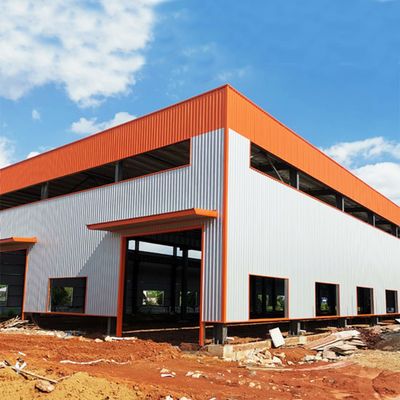
Why Regular Maintenance Is Non-Negotiable for Steel Construction
The Hidden Vulnerability: How Environmental Exposure and Load Cycles Degrade Steel Over Time
Steel construction appears permanent, yet environmental exposure and cyclic loading create slow, often invisible degradation. Moisture, oxygen, chlorides, and industrial acids initiate corrosion at coating breaches, seams, and base connections. Thermal expansion, wind gusts, and equipment vibration impose fatigue at bolted and welded joints—loosening fasteners and micro-cracking protective films. Condensation inside enclosure interfaces accelerates rust and mold. The NACE IMPACT study estimates corrosion consumes roughly 3.4% of global GDP annually. Without intervention, minor rust, roof leaks, and blocked drains progress to section loss and connection distress. Industry benchmarks commonly target a 50–70 year service life for well-maintained steel structures, while deferred care can multiply repair costs several-fold. For steel construction assets, hidden vulnerabilities turn deferred maintenance into a structural safety issue—not a cosmetic task.
Regulatory & Risk Drivers: OSHA, ANSI/AISC, and Insurance Requirements for Steel Construction Assets
Regulatory and insurance frameworks reinforce the need for planned maintenance. OSHA’s walking-working surfaces rule (29 CFR 1910.22) requires platforms, stairways, and mezzanines to be inspected and kept in safe condition; the general duty clause further obligates employers to protect workers from structural hazards. ANSI/AISC 360 provides the engineering standard for evaluating whether a steel structure remains acceptable after corrosion, impact, or fire exposure. The AISC Code of Standard Practice expects owners to maintain completed structures in accordance with original design assumptions. Commercial property insurers often require baseline condition surveys, periodic inspection records, and documented corrective action before renewing coverage—and may request visual findings or NDT summaries before binding policies. Maintenance is thus a compliance and insurance obligation, not merely operational housekeeping.
The Tiered Inspection Protocol for Steel Construction Systems
A tiered inspection protocol directs scarce resources to the highest-risk locations in a steel construction asset. It replaces calendar-only checks with condition-based triggers and clear pass/fail criteria—enabling early detection of fatigue, corrosion, or connection movement before they compromise structural serviceability.
Zoned Visual + NDT Assessment: Prioritizing Critical Joints, Connections, and Enclosure Interfaces
Zone mapping divides a steel construction system into high, medium, and low criticality areas. High-criticality zones include moment connections, base plates, bracing nodes, roof-to-wall interfaces, and enclosure attachment points. Visual inspection covers paint holidays, rust staining, cracked welds, loose fasteners, and deformation. NDT adds subsurface data where visual limits end: magnetic particle testing identifies surface-breaking cracks in welds; ultrasonic testing measures remaining wall thickness at corrosion-prone joints. Enclosure interfaces require special attention because sealant failure admits moisture to hidden steel edges. Inspectors record every anomaly with location, severity, and repair priority. This risk-based method focuses follow-up actions on joints that carry high stress or repeated thermal movement—and defines re-inspection intervals by classification, ensuring critical welds receive more frequent checks. Without zoning, inspectors risk equal time spent on low-risk members while missing early connection distress.
Tool Integration: Using Drone Imaging, UT, and Coating Thickness Gauges in Routine Steel Construction Inspections
Drones capture high-resolution imagery of roofs, high steel, and hard-to-reach connections without scaffolding. Ultrasonic testing (UT) sends high-frequency sound waves into steel to measure thickness and detect internal flaws. Coating thickness gauges verify dry film thickness against SSPC-PA 2 sampling plans. These tools make routine inspections safer, faster, and more consistent than hands-on methods alone. Drone imaging records visual conditions for repeat comparison across inspection cycles. UT data reveal hidden section loss at connection plates and base metal before surface rust appears. Coating gauges prevent premature corrosion by confirming primer, intermediate, and topcoat meet specification. Drone flight paths should follow predefined grid routes to ensure complete zone coverage. Field crews should calibrate each device daily and store digital readings with location tags. Integrated data supports trend analysis and condition forecasting—reducing access costs while improving confidence in repair decisions.
Corrosion Control and Protective System Management in Steel Construction
A protective coating system is the first line of defense for structural steel—but only when matched to the exposure environment and verified post-application. Global corrosion costs exceed US$2.5 trillion annually, reinforcing why steel construction owners must treat protective system management as a lifecycle investment, not a one-time task.
Matching Protection to Exposure: Atmospheric, Marine, and Industrial Environments in Steel Construction
Steel construction assets do not corrode uniformly; exposure drives coating selection. The ISO 12944-2 corrosivity scale ranges from C1 (very low) to CX (extreme). In atmospheric C2–C3 zones, a conventional alkyd or acrylic system may suffice. Marine chloride deposition, however, can increase steel loss rates by five times or more compared with inland sites. For C5 and CX marine environments, a zinc-rich primer, high-build epoxy intermediate, and UV-stable polyurethane topcoat are required. Industrial exposure to sulfur dioxide and chemical aerosols demands chemically resistant epoxy or polysiloxane finishes. Matching protection to the environmental class reduces repainting frequency and prevents localized pitting—avoiding both under-specification and costly early recoating.
SSPC-PA 2 Compliance and Lifecycle Alignment: Selecting Coatings That Support Steel Construction Longevity
SSPC-PA 2 provides the baseline for verifying dry film thickness (DFT) after each coat. Inspectors use calibrated Type 2 electronic gauges and record readings at defined frequencies; the average must meet the specified DFT, and no individual reading should fall below 80% of the target. This prevents thin edges and pinholes that trigger early failure. Lifecycle alignment means selecting coatings to match the desired maintenance window. A zinc-rich/epoxy/polyurethane system may have a higher initial cost but can deliver 15–20 years of service in moderate environments—reducing total cost per year. Conversely, a low-cost alkyd in an aggressive atmosphere can require recoating within 3–5 years. For steel construction longevity, compare material cost, surface preparation, access, and downtime—and specify systems that meet both exposure class and owner-defined repaint cycles.
Connection Integrity Assurance: Bolts, Welds, and Documentation Standards for Steel Construction
In steel construction, connection integrity determines whether the frame behaves as designed under service loads. Bolted and welded joints demand different verification cycles—but both require documentation linking field measurements to acceptance criteria.
Torque Verification, Embedment Creep Monitoring, and Retension Protocols for High-Strength Bolted Connections
Torque verification estimates preload through calibrated wrench settings—but it is not a direct tension measurement. It should be paired with periodic direct tension indicator (DTI) or ultrasonic checks. Embedment creep monitoring should begin immediately after initial tightening, as most preload loss occurs early due to faying surface and coating relaxation. A retension protocol should define re-inspection intervals after initial tightening—especially for connections subject to vibration or thermal cycling. Document bolt grade, diameter, hole type, tightening method, and DTI gap readings. When creep exceeds tolerance, retighten only after confirming the joint can accept additional preload without overstressing. Calibrated torque wrenches, clean faying surfaces, and consistent washer orientation support repeatable preload. Reference the applicable high-strength bolting specification for minimum tension and inspection frequency—and keep torque logs linked to drawing assembly marks so every connection is traceable.
NDT Best Practices and Digital Recordkeeping for Weld Integrity in Steel Construction Projects
Nondestructive testing (NDT) should follow a written procedure mapping each weld ID to its required method—visual, magnetic particle, dye penetrant, or ultrasonic testing (UT). Calibrate UT transducers on reference blocks before each shift, and clean surfaces sufficiently for liquid penetrant or magnetic particle inspection. Document indications with photos, location sketches, and measured lengths—not just pass/fail notes. Digital recordkeeping ties NDT reports, welder qualifications, and material heat numbers to assembly marks—enabling trend analysis of defect types and repeat repairs. Acceptance criteria derive from the applicable welding code, but digital records provide the audit trail for long-term weld integrity. Archive raw UT data—not only interpretations—so future inspectors can compare baseline and service readings.
Building a Sustainable Maintenance Program for Steel Construction Assets
A sustainable maintenance program treats steel construction as a long-term system—not a collection of components repaired only after failure. Owners should consolidate inspection data, coating thickness readings, bolt tension records, and environmental exposure notes into a single digital asset register. This condition-based view allows maintenance teams to rank work by risk and allocate resources before minor defects become structural issues.
Key elements of an effective program include:
- Scheduled visual and NDT inspections based on exposure severity—not just calendar intervals.
- Corrosion control budgets that account for surface preparation, coating materials, and reapplication cycles.
- Training for facility staff and contractors to recognize early warning signs such as coating breakdown, rust staining, and loose fasteners.
- Clear reporting channels that connect field observations to maintenance work orders and long-term asset records.
Life-cycle budgeting is the foundation of sustainability. Maintenance should be planned as an investment in service life—not deferred as an optional expense. According to the 2016 IMPACT study by the National Association of Corrosion Engineers (NACE), implementing corrosion management practices can reduce the cost of corrosion by 15% to 35%, strengthening the financial case for routine upkeep. By aligning inspection schedules, protective coating renewal, and connection verification with long-term financial planning, owners extend service life and reduce resource consumption over time.
Frequently Asked Questions (FAQs)
Why is regular maintenance crucial for steel construction?
Regular maintenance prevents structural degradation caused by environmental exposure, corrosion, and cyclic loading, extending the lifespan and preserving safety and functionality.
What are the key risk areas for inspections in steel construction?
Key areas include moment connections, base plates, bracing nodes, roof-to-wall interfaces, and enclosure attachment points, where fatigue and corrosion risks are higher.
How does zoned inspection improve steel construction maintenance?
Zoned inspection prioritizes high-criticality areas, combining visual and NDT methods for early detection of structural risks and ensuring efficient resource allocation.
What tools are essential for routine steel inspections?
Key tools include drones, ultrasonic testing (UT) devices, and coating thickness gauges for safer and more accurate condition assessments.
How should protective coating systems be selected?
Coating systems should be selected based on the environmental exposure class (e.g., atmospheric, marine, or industrial) to maximize durability and minimize recoating frequency.
Table of Contents
- Why Regular Maintenance Is Non-Negotiable for Steel Construction
- The Tiered Inspection Protocol for Steel Construction Systems
- Corrosion Control and Protective System Management in Steel Construction
- Connection Integrity Assurance: Bolts, Welds, and Documentation Standards for Steel Construction
- Building a Sustainable Maintenance Program for Steel Construction Assets
- Frequently Asked Questions (FAQs)