
 EN
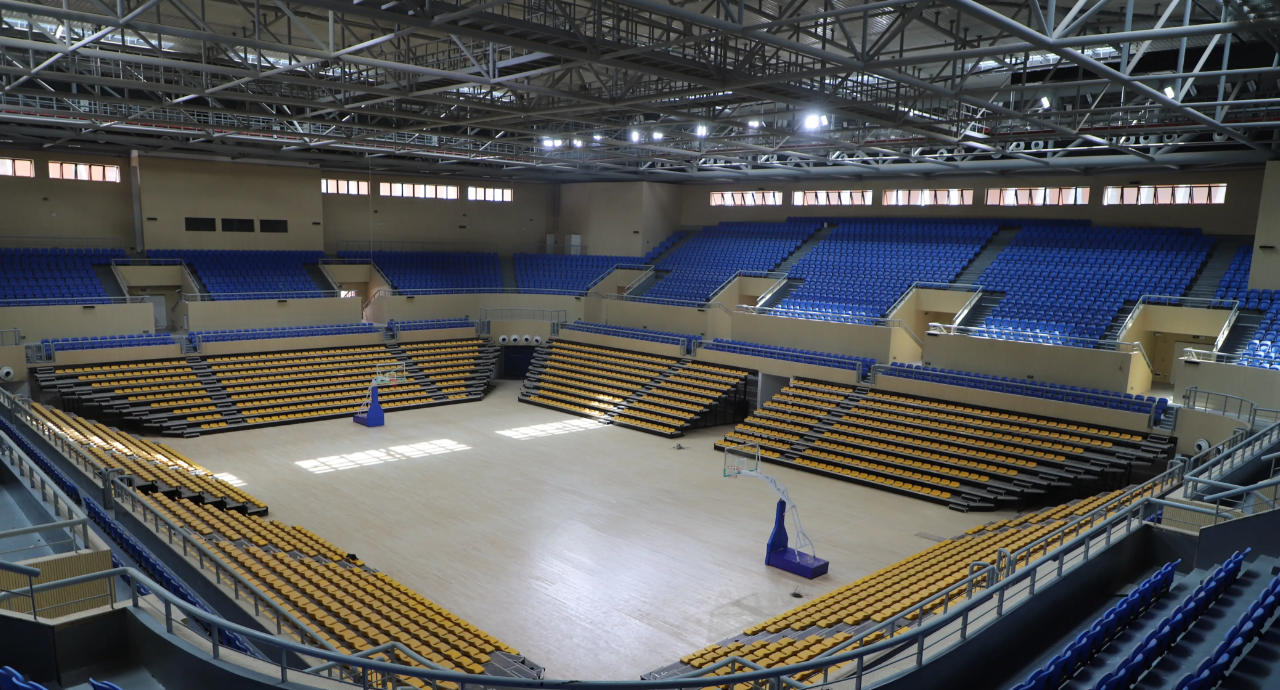
How Steel Structure Manufacturers Ensure Structural Integrity and Long-Term Performance
Introduction: Quality Control Determines the Reliability of Steel Structures
Steel structures are widely used in industrial facilities, commercial buildings, warehouses, bridges, and infrastructure projects because of their excellent strength, flexibility, and durability. However, the long-term performance of a steel structure depends not only on the quality of the steel itself but also on the accuracy of design, fabrication processes, installation coordination, and protection systems.
For this reason, professional steel structure manufacturers implement strict quality control throughout the entire project lifecycle. From raw material inspection and fabrication accuracy to welding verification and final documentation, every stage plays an important role in ensuring structural safety and reliability.
A comprehensive quality management system helps reduce construction risks, prevent costly rework, and ensure that steel structures meet engineering requirements in different environments.
1. Material Control Ensures Reliable Steel Structure Performance
The foundation of every steel structure project begins with reliable raw materials. Before fabrication starts, professional manufacturers verify incoming steel materials according to project specifications and applicable standards.
Material inspection typically involves checking steel grade, mechanical properties, and certification documents to ensure that the supplied materials match design requirements. These records provide important traceability throughout the fabrication process, allowing each steel component to be connected back to its original material information.
Modern steel fabrication companies also use digital tracking systems to manage material flow during production. Through identification methods such as heat numbers, labels, or digital records, manufacturers can monitor each component from material preparation to final assembly.
This traceability system improves quality transparency and helps customers verify that every structural component has been produced using approved materials.
2. Precision Fabrication Reduces Installation Risks
Accurate fabrication is essential for ensuring that steel components fit correctly during construction. Even small dimensional errors can create difficulties during installation and increase project delays.
Professional steel structure fabrication companies use advanced manufacturing equipment and inspection processes to control cutting, drilling, welding, and assembly accuracy. Computer-aided design (CAD), CNC processing, and digital measurement technologies allow manufacturers to produce components according to approved engineering drawings.
By maintaining strict dimensional control during fabrication, manufacturers can reduce the need for on-site adjustments and improve overall construction efficiency.
Factory-controlled production also provides better consistency compared with excessive field modification, helping maintain the structural performance and appearance of the final building.
3. Welding Quality Control Protects Structural Integrity
Welding plays a critical role in connecting steel components and transferring structural loads. Poor welding quality can affect the safety and durability of a steel structure, especially in large-span or heavy-load applications.
Reliable manufacturers establish qualified welding procedures and ensure that welding operations are performed by trained professionals. During production, welds are inspected to confirm proper formation, strength, and consistency.
For critical structural connections, additional inspection methods such as non-destructive testing (NDT) may be applied to identify potential internal or surface defects without damaging the components.
Through strict welding management and inspection procedures, manufacturers ensure that every connection performs reliably under long-term operational conditions.
4. Corrosion Protection Extends Steel Structure Service Life
Although steel provides excellent structural strength, corrosion protection is essential for maintaining long-term performance, especially in coastal areas, industrial environments, and high-humidity regions.
Professional manufacturers select suitable surface protection systems according to the project environment. Common solutions include protective coating systems, hot-dip galvanization, and specialized surface treatments designed to improve corrosion resistance.
The effectiveness of any coating system depends not only on the coating material but also on proper surface preparation and application control. Processes such as surface cleaning and abrasive blasting help improve coating adhesion and ensure long-lasting protection.
By selecting the appropriate corrosion protection method, steel structure suppliers help customers reduce maintenance requirements and extend the service life of their structures.
5. Digital Design and Project Coordination Improve Construction Efficiency
Modern steel structure projects often involve multiple disciplines, including architecture, mechanical systems, electrical installation, and building facades. Poor coordination between these areas can result in design conflicts, installation delays, and additional modification costs.
To reduce these risks, professional steel structure manufacturers increasingly use digital technologies such as Building Information Modeling (BIM). BIM allows different project teams to review structural models together and identify potential conflicts before fabrication begins.
Through early coordination, manufacturers can optimize connection details, confirm installation sequences, and ensure that steel components are compatible with other building systems.
This proactive approach transforms potential construction problems into manageable design solutions before they affect the project schedule.
6. Complete Quality Documentation Supports Project Verification
Quality documentation is an important part of professional steel structure fabrication. It provides clear evidence that every component has passed required inspections and meets project specifications.
During production, manufacturers maintain records related to material verification, fabrication inspection, welding procedures, testing results, and final quality approval.
These documents support customer acceptance, engineering review, and future maintenance requirements. For international construction projects, complete quality records also improve communication between manufacturers, contractors, and project owners.
A reliable steel structure supplier does not only deliver physical components but also provides the documentation and technical confidence required for successful project completion.
7. Choosing a Reliable Steel Structure Manufacturer
Selecting the right manufacturing partner directly influences project quality and construction efficiency.
A professional steel structure manufacturer should have strong engineering capabilities, advanced fabrication equipment, experienced production teams, and a comprehensive quality management system.
Beyond manufacturing capacity, suppliers should also provide technical support throughout the project, from design review and fabrication planning to inspection and delivery.
By working with an experienced steel structure fabrication partner, customers can achieve safer structures, smoother installation processes, and better long-term performance.
FAQ About Steel Structure Quality Control
Why is quality control important in steel structure manufacturing?
Quality control ensures that materials, fabrication processes, and finished components meet engineering requirements while reducing structural risks and installation problems.
How do manufacturers ensure steel structure quality?
Manufacturers control quality through material verification, precision fabrication, welding inspection, corrosion protection, and complete production documentation.
Why is material traceability important in steel fabrication?
Material traceability allows manufacturers and customers to track each component back to its original material information and production history, improving transparency and reliability.
How does BIM improve steel structure projects?
BIM helps identify design conflicts early, improves coordination between different teams, and reduces fabrication and installation errors.
What should customers consider when selecting a steel structure supplier?
Customers should evaluate manufacturing experience, engineering support, quality control systems, production capability, and delivery reliability.
Work with an Experienced Steel Structure Manufacturer
High-quality steel structures require more than strong materials—they require precise engineering, reliable fabrication processes, and strict quality management.
As an experienced steel structure manufacturer, we provide customized steel structure solutions for industrial, commercial, and infrastructure projects worldwide.
From material inspection and fabrication to quality verification and delivery, we ensure every component meets project requirements and supports long-term structural performance.
Contact us today to discuss your steel structure project.
Table of Contents
- How Steel Structure Manufacturers Ensure Structural Integrity and Long-Term Performance
- Introduction: Quality Control Determines the Reliability of Steel Structures
- 1. Material Control Ensures Reliable Steel Structure Performance
- 2. Precision Fabrication Reduces Installation Risks
- 3. Welding Quality Control Protects Structural Integrity
- 4. Corrosion Protection Extends Steel Structure Service Life
- 5. Digital Design and Project Coordination Improve Construction Efficiency
- 6. Complete Quality Documentation Supports Project Verification
- 7. Choosing a Reliable Steel Structure Manufacturer
- FAQ About Steel Structure Quality Control
- Why is quality control important in steel structure manufacturing?
- How do manufacturers ensure steel structure quality?
- Why is material traceability important in steel fabrication?
- How does BIM improve steel structure projects?
- What should customers consider when selecting a steel structure supplier?
- Work with an Experienced Steel Structure Manufacturer