
 EN
EN
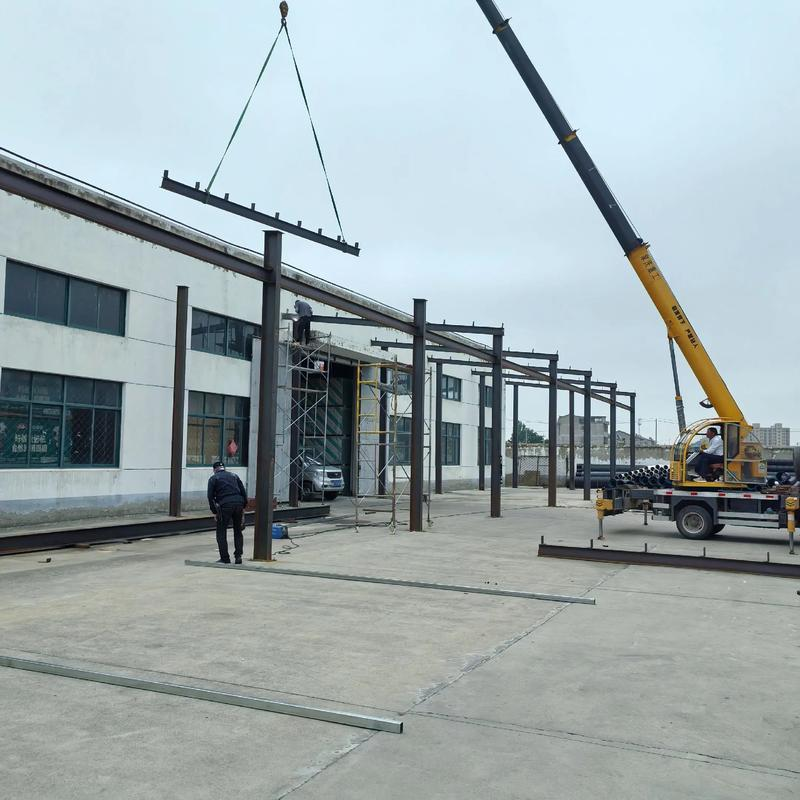
The High Stakes of Supplier Selection in Global Sourcing
Embarking on a large-scale commercial or industrial project requires a massive investment of capital, time, and engineering trust. When developers plan a modern facility, selecting the right partner for their steel construction components is easily the most critical decision on the table. Choosing a subpar vendor doesn't just mean dealing with minor clerical delays; it can result in severe structural misalignments on-site, failed building inspections, and catastrophic budget overruns. In the global structural steel market, separating world-class fabrication plants from low-end middleman brokers requires looking beyond simple price-per-ton quotes. Project owners must systematically evaluate technical qualifications, design detailing software usage, and quality assurance processes to secure a reliable asset pipeline.
Technical Competencies and Advanced Plant Detailing Metrics
The blueprint of a successful build relies entirely on the factory’s technical engineering department. A premium manufacturer does not simply look at general architectural drawings and start cutting raw plates. True expertise shines during the Tekla detailing and shop drawing phases, where engineers translate architectural intent into exact millimeter-precise component models. This precise engineering phase accounts for real-world variables like weld shrinkage, bolting clearances, and complex structural node connections. Furthermore, the fabrication floor must run under certified welding standards, such as those set by the American Welding Society (AWS D1.1) or European EN 1090 protocols. Buyers should always ask for verified Welding Procedure Specifications (WPS) and Non-Destructive Testing (NDT) records to ensure every single weld profile can withstand heavy seismic or dynamic stress.
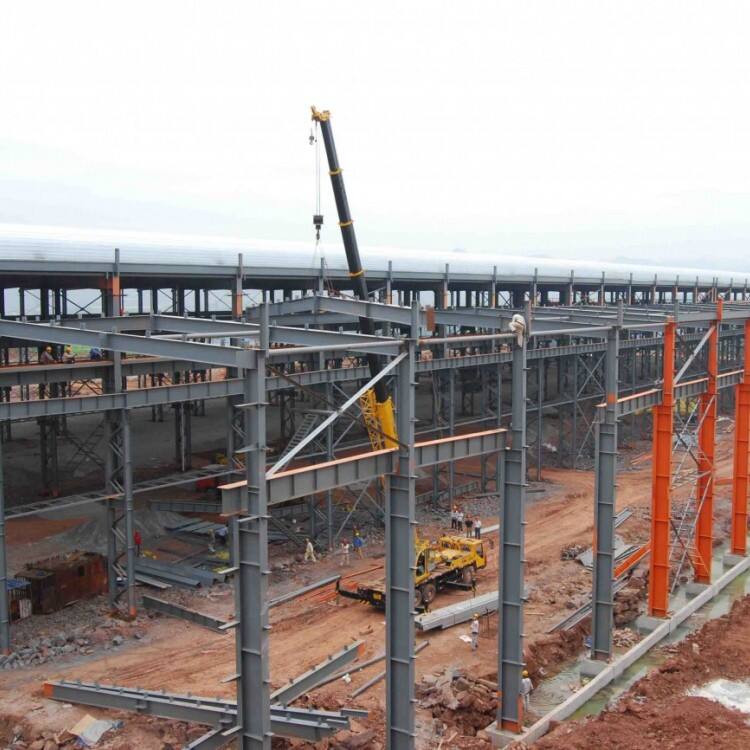
The strategic matrix below outlines the critical differences between tier-one industrial fabricators and standard low-cost processing shops:
| Evaluation Criteria | Premium Industrial Fabricator | Low-Cost Processing Shop | Direct Impact on Project ROI |
| Engineering Capacity | Advanced 3D Tekla detailing, BIM software integration | Basic 2D AutoCAD detailing or manual drafting | Eliminates site mismatches, shortens field hours |
| Welding & QC Checks | Certified AWS/EN welders, 100% NDT/Ultrasonic tests | Uncertified labor, basic visual weld inspections | Guarantees compliance with structural safety laws |
| Pre-Assembly Setup | Physical trial assembly for complex structural nodes | Zero pre-assembly, direct shipping after coating | Guarantees error-free bolt alignments on-site |
| Surface Treatment | Automated shot blasting (Sa 2.5), electronic micron checks | Manual rust scraping, uneven paint spray layers | Prevents structural rust for decades in harsh zones |
Turning a Failed Site Installation Around with Factory Precision
A vivid real-world lesson in supplier capabilities occurred during a recent multi-story commercial complex project in an international port zone. The initial contractor, chosen purely for offering the lowest bid, utilized outdated manual cutting lines and lacked advanced detailing capabilities. When the first structural batches arrived on the construction site, the column-to-beam connection holes missed alignment by up to twenty millimeters, completely halting the field assembly cranes. The development team immediately terminated that contract and pivoted to a high-tier fabricator running automated CNC processing centers. This replacement factory utilized 3D modeling software to re-engineer the remaining framework and conducted strict trial assemblies inside the plant before shipping. The precision-engineered replacement columns bolted together flawlessly on-site, compressing a delayed three-month schedule into just five weeks.
International Accreditations That Eliminate Structural Risk
Authoritative construction standards are the ultimate baseline for establishing international buyer trust. Top-tier manufacturing operations consistently maintain compliance certificates from bodies like the American Institute of Steel Construction (AISC) or global ISO 9001 quality management setups. These rigorous frameworks prove that the fabrication facility subjects its raw materials to strict chemical and tensile strength verifications upon entry. Experts emphasize that relying on unverified steel or undocumented welding procedures exposes a commercial project to structural fatigue failures. Ensuring a prospective manufacturer possesses clear material traceability logs and certified chemical mill certificates is an absolute non-negotiable step for institutional procurement teams.
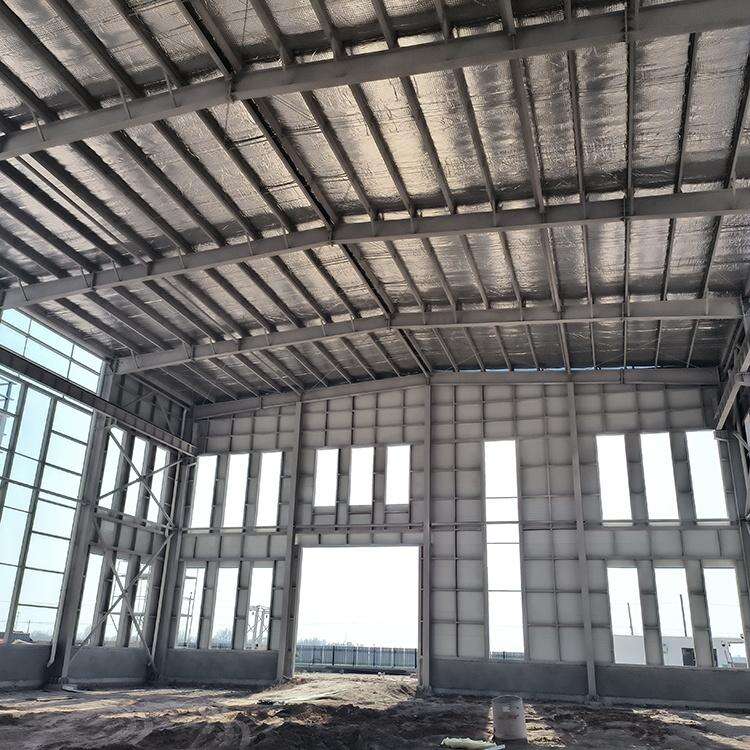
The Financial Payoff of Precision Prefabrication Workflows
Procurement departments often overlook the fact that the real cost of structural framework is measured at the job site, not the factory gate. When components are fabricated inside a highly controlled factory environment using automated equipment, they arrive on the field ready to be erected like a precise puzzle. This level of preparation completely eliminates the need for expensive on-site field modifications, torch cutting, or emergency re-welding. By shortening the heavy crane rental durations and maximizing the efficiency of field labor crews, pre-engineered structural solutions significantly lower the total erection cost per square meter, enabling commercial properties to open their doors and generate revenue ahead of schedule.
Securing Global Projects with Advanced Fabricating Infrastructure
Successfully executing a flawless international construction layout demands a manufacturing partner that combines elite engineering prowess with robust supply chain integration. Wanjie addresses this critical global industry requirement by managing massive, high-tech production complexes equipped with automated CNC plasma cutters, high-precision heavy welding stations, and professional indoor surface treatment bays. Handling every phase of development from deep structural detailing through to strict trial assembly inspections, Wanjie ensures absolute compliance with international structural codes. This seamless manufacturing ecosystem and reliable global delivery framework give international buyers the confidence to build durable, high-performance structural systems engineered to stand strong for generations.