
 EN
EN
The Complex Math Behind Structural Pricing
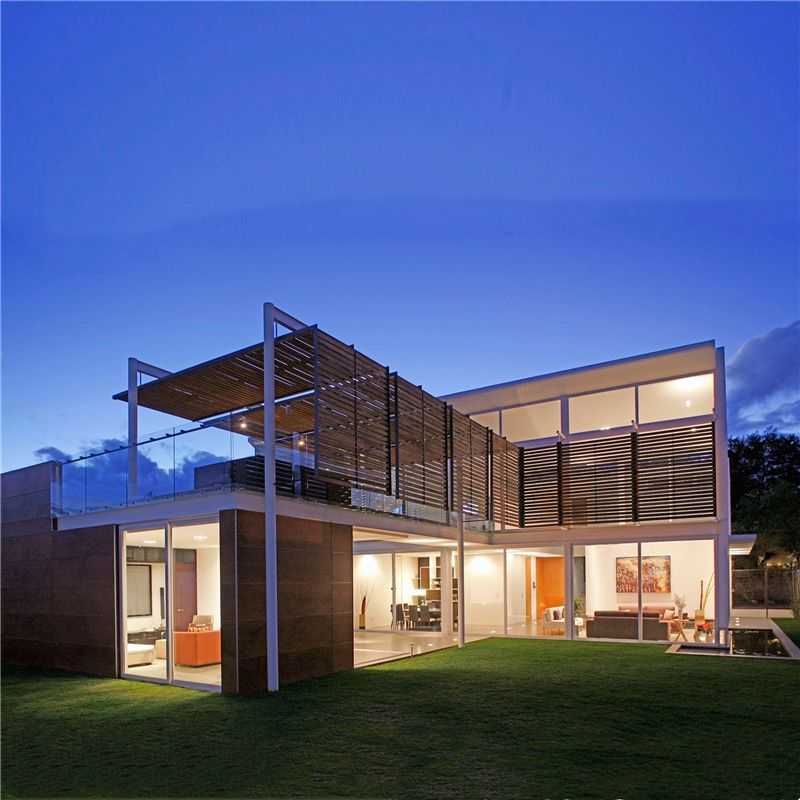
Budgeting for a commercial or industrial building project always brings up one critical question: what will it actually cost per square meter? When looking into a steel construction cost, it becomes clear very fast that there is no single, flat-rate answer. Some project owners get frustrated by shifting quotes, but the reality is that structural steel pricing is highly dynamic. It is driven by a mix of raw material markets, engineering complexities, and logistical variables. Understanding what pushes these numbers up or down is the key to optimizing a project's budget without compromising on safety or structural integrity. By breaking down the core cost drivers, developers can make smarter choices right from the blueprint phase.
How Engineering Decisions Shape the Budget
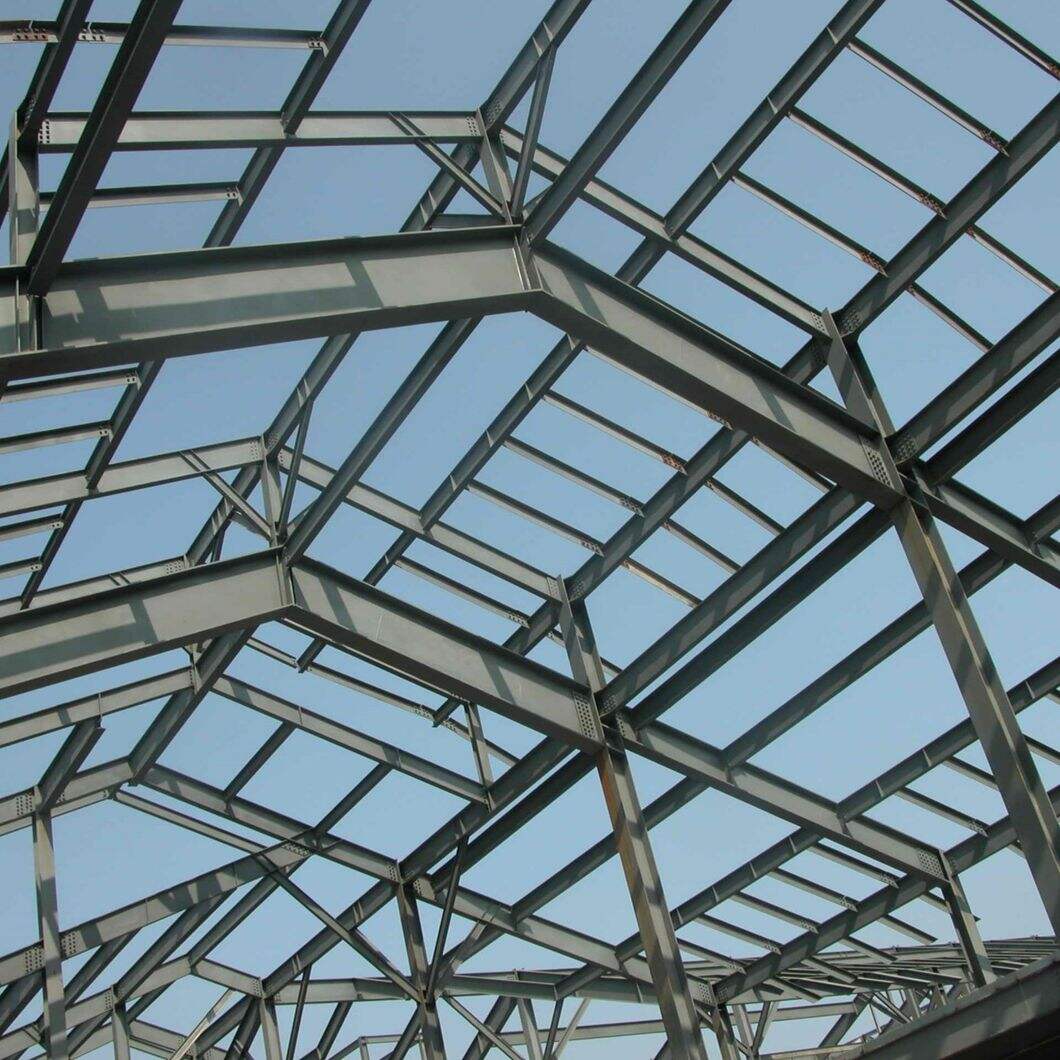
The architectural layout and structural engineering design are the absolute heavyweights when it comes to shifting the final price tag. In steel buildings, clear span distance—the space between supporting columns—plays a massive role. A wide-open warehouse floor with a 30-meter clear span requires much heavier, deeper steel rafter sections than a building with columns every 6 meters. Additionally, the local environment dictates the load requirements. If a factory needs to support heavy overhead cranes, or if it is built in a region with high snow loads or typhoon-force winds, the steel consumption per square meter naturally spikes. Smarter engineering that reduces unnecessary steel weight while maintaining safety margins is the most effective way to keep expenses under control.
The table below breaks down how different building variables alter the typical cost allocation within a project:
| Cost Component | Impact on Total Budget | Primary Cost Drivers | Cost Optimization Strategy |
| Raw Structural Steel | 40% - 50% | Global market rates, steel grade (Q355B/Q235B) | Opt for standardized sections where possible |
| Fabrication & Processing | 15% - 20% | Welding complexity, blasting, painting/galvanizing | Utilize automated shop detailing and pre-fabrication |
| Logistics & Shipping | 10% - 15% | Transport distance, component dimensions, packing | Optimize container loading and component nesting |
| On-Site Installation | 15% - 25% | Building height, crane rentals, local labor rates | Use bolt-together connections to slash field hours |
Real Lessons from an Industrial Park Optimization
A clear example of design optimization comes from a recent 20000-square-meter logistics park project. The initial architectural concept featured a highly customized, irregular roof shape with non-standard column spacing. Early estimates showed the steel construction cost running way over the client's target budget. To fix this, the engineering team standardized the column grids to a consistent 9-meter interval and swapped out custom-welded plate girders for standard rolled sections where possible. This structural redesign slashed the total steel tonnage by 12% without reducing the usable floor area. The project finished ahead of schedule, proving that early design collaboration yields massive financial savings.
What Industry Standards Say About Raw Materials and Fabrication
Raw material prices are tied directly to global steel commodity markets, meaning macroeconomic factors constantly influence local project estimates. Authoritative construction indexes show that the price of raw steel plates and sections can account for up to half of the total structural invoice. Beyond the raw metal, fabrication labor and surface treatment choices add another layer to the math. For instance, choosing hot-dip galvanizing over a standard shop primer increases the upfront manufacturing cost. However, leading asset management studies confirm that high-performance coatings save thousands of dollars in maintenance over a 30-year building lifecycle, making them a much smarter financial decision for long-term investments.
Slashing Field Expenses Through Smart Assembly Methods
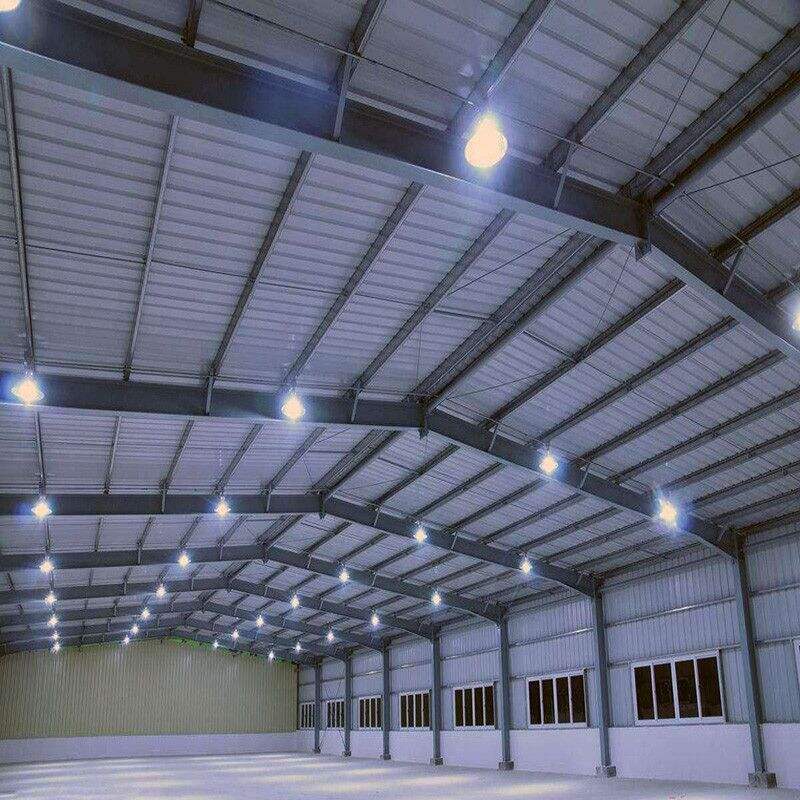
A major chunk of the per-square-meter cost happens directly on the construction site. Local labor rates, crane rentals, and unpredictable weather delays can quickly cause installation costs to spiral out of control. This is where pre-engineered steel buildings show their true commercial value. When structural components are cut, drilled, and welded to millimeter-exact tolerances inside a controlled factory environment, they arrive on-site ready to be bolted together like a massive erector set. Minimizing field welding and structural corrections drastically cuts down the erection timeline, lowering financing costs and allowing commercial operations to move in and start generating revenue months ahead of schedule.
Streamlining Projects with End-to-End Manufacturing Power
Bringing down the total per-square-meter cost requires working with a manufacturing partner that can handle both precision fabrication and complex supply chain logistics. Wanjie addresses this exact market need by operating state-of-the-art production facilities equipped with automated CNC cutting, advanced welding lines, and high-capacity surface treatment bays. By managing the process from initial structural detailing through to shipping, Wanjie eliminates middleman markups and guarantees strict quality control that meets global structural codes. This comprehensive manufacturing capability and supply chain expertise allow international clients to secure predictable, optimized structural steel solutions that keep total project costs firmly within budget.