
 EN
EN
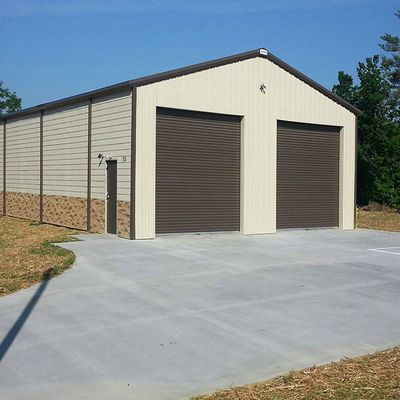
The Reality of Building Near Salty Sea Breezes
Building close to the ocean comes with stunning views, but it also presents a brutal environment for structural materials. Property developers and industrial planners often wonder if choosing a steel construction system for a coastal project is a smart long-term bet or a maintenance nightmare. The salt-laden air, high humidity, and intense coastal winds form a relentless combination that accelerates the oxidation of unprotected metals. However, modern structural engineering has completely flipped the script. When backed by the right metallurgical treatments and smart design practices, steel framing not only survives in marine environments but easily outperforms traditional concrete and wood in terms of structural integrity and lifespan.
Understanding the Chemistry of Salt Fog Corrosion
To design a coastal structure that lasts for decades, engineers must first understand the specific threat posed by marine atmospheres. Coastal regions are classified under the highest atmospheric corrosion categories, often designated as C5-M or CX environments according to global standards like ISO 12944. The main culprit is airborne sea salt, specifically chloride ions. These ions settle on metal surfaces, accelerating electrochemical reactions that cause traditional carbon steel to rust at up to ten times the rate of inland areas. Overcoming this requires advanced metallurgy. By applying heavy thermal coatings, such as hot-dip galvanization or specialized multi-layer epoxy paint systems, a protective zinc armor prevents moisture and oxygen from ever contacting the structural core.
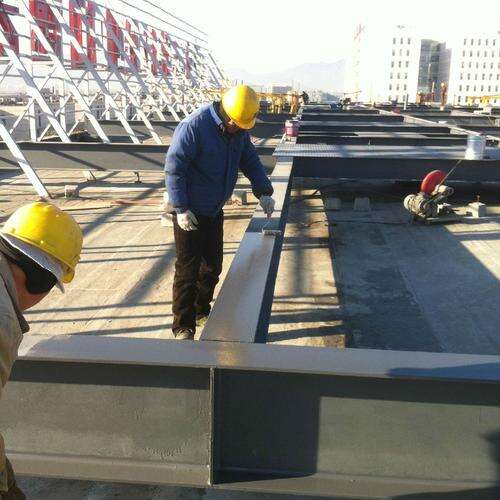
The table below outlines how different surface treatments perform under these harsh marine environments:
| Surface Treatment Type | Micro-Layer Thickness | Corrosion Resistance (ISO 12944) | Expected Years to First Major Maintenance |
| Standard Primer Only | 40 - 60 Microns | C2 to C3 (Inland Low) | 2 to 5 Years (Not Recommended for Coasts) |
| Heavy Epoxy Paint System | 150 - 200 Microns | C4 (Coastal Medium) | 10 to 15 Years |
| Hot-Dip Galvanizing (HDG) | 85+ Microns | C5 (Coastal High Marine) | 25 to 40 Years |
| HDG + PVDF Duplex Coating | 250+ Microns | CX (Extreme Marine) | Over 50 Years |
Real Lessons From a Marine Logistics Park Project
A practical example of this durability comes from a major commercial logistics facility built less than one kilometer away from a high-salinity shoreline. The project specifications called for wide-span warehouses capable of resisting both salt fog and seasonal typhoon-force winds. The development team opted for a heavy pre-engineered steel construction plan, specifying hot-dip galvanized structural frames paired with a duplex polyurethane topcoat. Five years after completion, a thorough structural inspection revealed zero signs of red rust or coating degradation, even on exposed joints. While neighboring concrete facilities are already dealing with spalling and micro-cracks from salt intrusion, the steel manifold remains structurally pristine.
What Anti-Corrosion Authorities and Standards Mandate
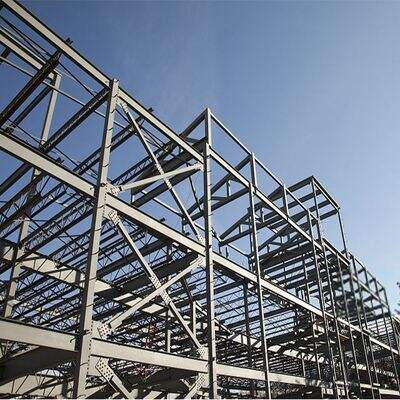
The longevity of marine structures isn't left to luck; it follows strict guidelines set by global organizations like the Association for Materials Protection and Performance (AMPP). Experts point out that steel does not inherently fail in coastal zones. Instead, structural issues only arise when fabricators ignore local micro-climates. For example, roof overhangs and unventilated pockets can trap salt deposits, leading to localized pitting. Designing smooth profiles that allow rainwater to naturally wash away salt build-up, combined with certified welding practices that eliminate micro-gaps, ensures that the framework meets the highest international safety and structural longevity standards.
The Financial Advantages and Long-Term Value Balance
While the upfront investment for marine-grade steel treatments is higher than basic inland coatings, the lifetime financial math clearly favors robust alloy protection. Concrete structures in marine zones frequently require expensive structural repairs due to internal rebar corrosion, a phenomenon known as the "concrete cancer." Steel framing completely avoids this hidden risk. Because steel components are pre-engineered to precise tolerances, building erection happens much faster, drastically shortening construction loans and allowing commercial operations to generate revenue sooner. Reduced maintenance intervals and lower insurance premiums ensure that the property maintains its asset value over a multi-decade life cycle.
Securing Coastal Infrastructure with Advanced Heavy Fabrication
Delivering structural components capable of withstanding the world's harshest marine environments requires a manufacturing partner with deep metallurgical expertise and a seamless supply chain. Wanjie fulfills this critical industry need by running advanced fabrication plants equipped with precision automated cutting, welding, and state-of-the-art surface treatment facilities. From heavy industrial portals to custom multi-layer coated frameworks, Wanjie controls every phase of production under rigorous quality checks that comply with global marine engineering codes. This end-to-end supply chain reliability ensures that international coastal developments receive durable, high-performance structural systems engineered to stand strong against the elements for generations.