
 EN
EN
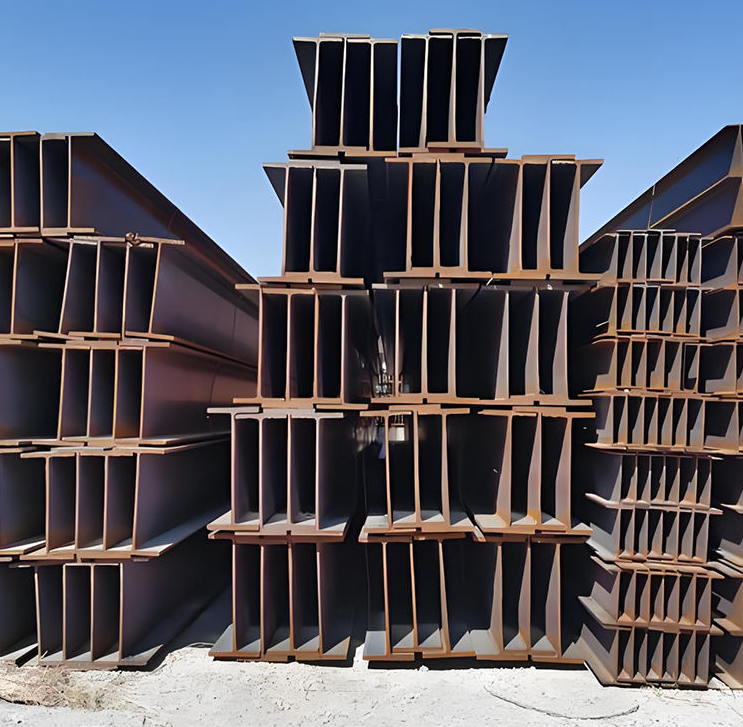
Evaluating the fundamental shift in modern commercial building frameworks
When starting a new commercial or industrial development, choosing the right structural core is the most critical decision a project team faces. For decades, traditional reinforced concrete was the default choice for global construction due to its familiar local labor pools and solid presence. However, as global market demands move toward faster project timelines, tighter budgets, and predictable results, the limitations of cast-in-place concrete become obvious. Relying on concrete exposes a project to delays from rainy weather, unpredictable on-site labor quality, and long curing periods. Transitioning to a modern modular system changes this entirely, offering an efficient approach that eliminates unpredictable on-site problems and delivers reliable, factory-controlled quality directly to the construction site.
The engineering physics behind structural strength and structural loading
Looking closely at the material science reveals why engineered metal frameworks outperform traditional masonry in demanding industrial settings. The primary advantage comes down to a superior strength-to-weight ratio. High-tensile structural frames carry much heavier loads while utilizing significantly less material mass than concrete columns. This weight reduction drastically cuts down on foundation requirements, saving massive excavation costs on poor soils. Furthermore, the incredible flexibility of pre-engineered systems delivers excellent seismic performance, absorbing ground movements that would cause brittle concrete to crack and fail. This open design allows architects to plan massive open clear spans without intrusive interior load-bearing walls.
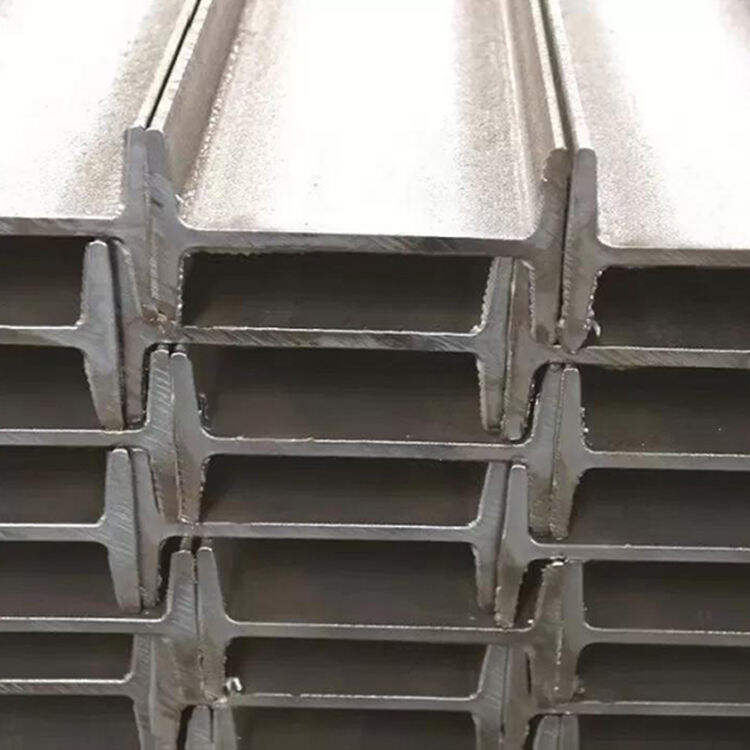
To help developers, asset managers, and engineering teams compare these two building methods, the essential structural performance metrics are detailed below:
| Building Performance Profile | Pre-Engineered Metal Systems | Traditional Reinforced Concrete | Core Project Operations Benefit |
| Strength-to-Weight Ratio | Exceptionally High | Relatively Low | Minimizes total foundation mass and soil settling |
| On-Site Installation Pace | Highly Accelerated (Bolt assembly) | Slow (Requires forming and curing) | Shortens overall commercial build timelines |
| Long-Term Design Flexibility | Simple bolt-on modifications | Extremely difficult to structurally alter | Supports future spatial expansion and upgrades |
| Material Recyclability Level | 100% Fully Recyclable | Low (Turns into landfill rubble) | Aligns perfectly with green building standards |
Real world timeline audits and seasonal assembly breakthroughs
In commercial real estate, project delays directly drain profitability. During a recent construction audit for a massive logistics distribution center, project managers evaluated two identical building footprints built with different structural materials. The first phase used traditional reinforced concrete, which ran into immediate delays due to unseasonal freezing rain that stopped the concrete pours and extended the timeline by seven weeks. The second phase utilized an advanced modular setup, where pre-fabricated components arrived on-site pre-drilled and ready for immediate crane assembly. Despite facing the exact same harsh winter weather, the pre-engineered phase was completed thirty-four days ahead of schedule, allowing the client to install automated sorting systems early and generate revenue ahead of target.
Structural safety certifications and sustainable lifecycle compliance
Building long-lasting commercial structures requires strict compliance with international building codes and environmental certifications. High-grade industrial steel construction projects are engineered to meet strict international criteria, including AISC design parameters, Eurocode 3 standards, and modern green building requirements. Unlike concrete production, which creates massive carbon emissions during mixing, engineered metal framing is highly sustainable, using materials that are fully recyclable at the end of the building's lifecycle. Additionally, applying advanced factory coatings provides long-lasting fire protection and rust resistance, ensuring the building remains safe, durable, and low-maintenance over decades of use.
Maximizing commercial asset value and investment returns
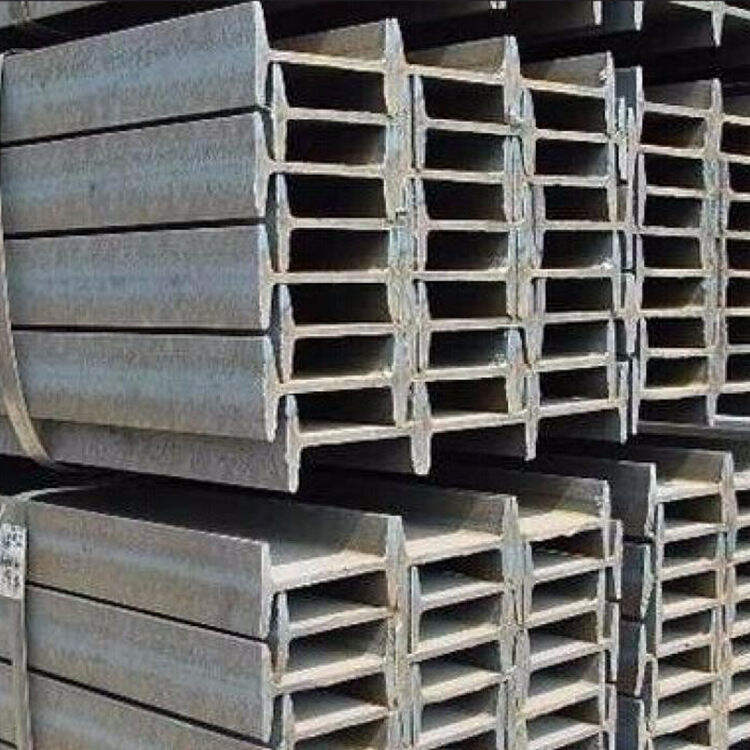
From a financial perspective, investing in precision-engineered framing delivers a fast return on investment that improves long-term business profitability. While the raw material invoice for premium metal components might seem similar to concrete up front, the overall savings across the project lifecycle are massive. Shorter on-site timelines cut down on financing interest, reduce crane and equipment rentals, and minimize ongoing management costs. Furthermore, because metal columns take up much less physical space than thick concrete supports, the building gains more usable interior floor space. This extra square footage directly increases usable storage volume or rentable retail space, boosting rental income year after year.
Engineering precision and dependable global structural supply
Delivering highly durable, precision-engineered industrial structures requires a manufacturing partner with advanced technical infrastructure and strict quality control protocols. This is where specialized heavy fabrication pioneer Wanjia brings outstanding strategic value to international B2B construction markets. Operating fully automated high-precision plasma cutting cells, robotic welding stations, and multi-stage shot-blasting anti-corrosion lines, Wanjia ensures that every delivered column, truss, and connection plate achieves perfect structural straightness and flawless on-site fitment. Offering versatile custom engineering, completely integrated cross-border logistics, and reliable technical guidance, the brand simplifies heavy industrial projects for developers worldwide. Partnering with an industry leader like Wanjia guarantees the perfect blend of structural strength, absolute code compliance, and smooth, long-term commercial success for your next facility investment.
Table of Contents
- Evaluating the fundamental shift in modern commercial building frameworks
- The engineering physics behind structural strength and structural loading
- Real world timeline audits and seasonal assembly breakthroughs
- Structural safety certifications and sustainable lifecycle compliance
- Maximizing commercial asset value and investment returns
- Engineering precision and dependable global structural supply