
 EN
EN
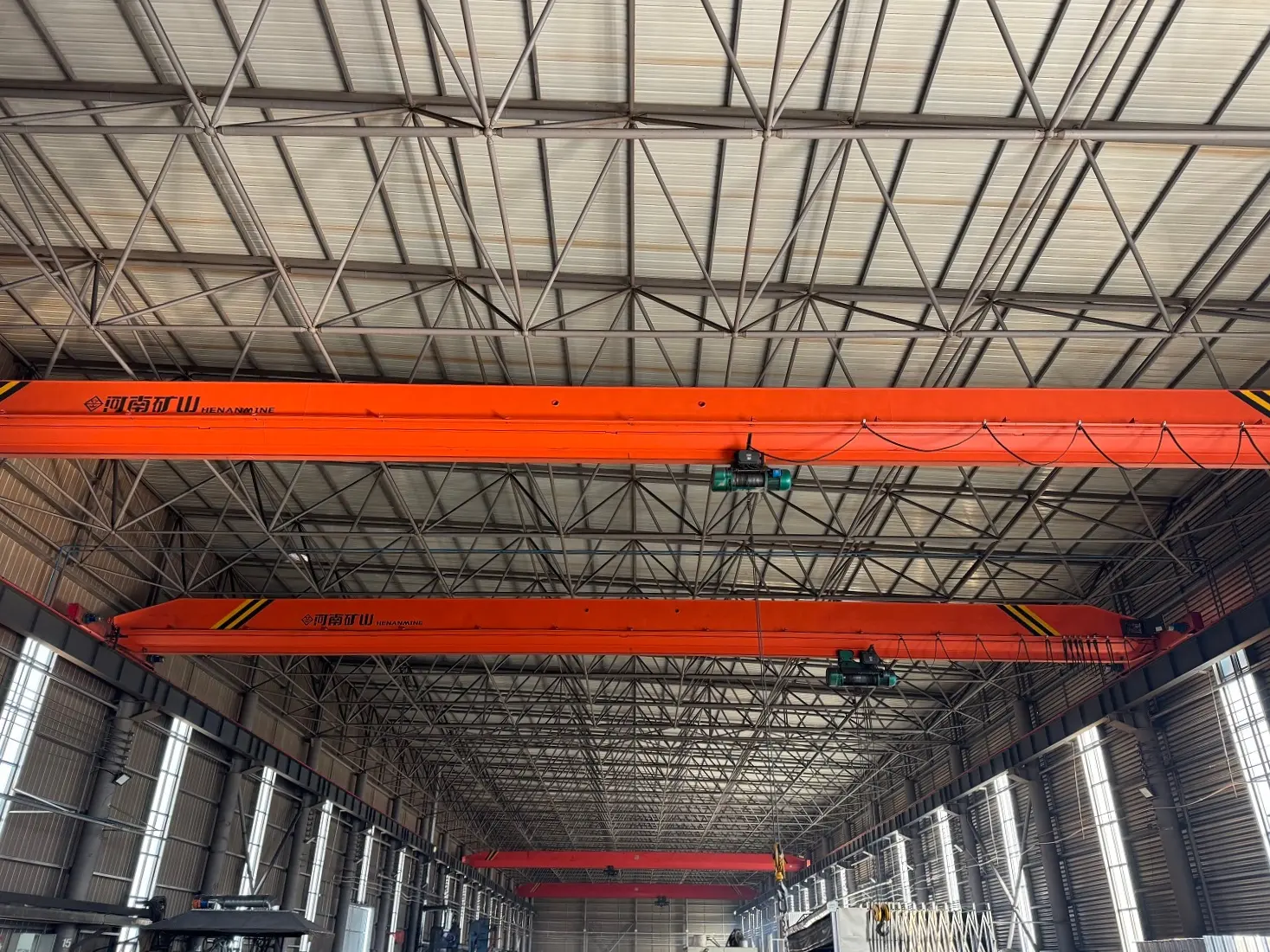
In the modern commercial real estate and industrial logistics ecosystem, erecting a high-performance steel frame facility has long been recognized as a premier investment strategy due to its exceptional load-bearing capacity and construction speed. However, maximizing the long-term asset appreciation and financial return of these capital-intensive structures requires a proactive shift from reactive repair to scheduled, preventative care. While structural steel possesses legendary durability, it is not entirely immune to environmental stressors. Implementing a methodical, technically sound upkeep routine preserves the physical integrity of the enclosure, avoids catastrophic operational disruptions, and directly lowers a corporation's total cost of ownership over decades of continuous facility utilization.
Surviving the Harsh Realities of Environmental Wear Through On-Site Inspections
Real-world structural management demonstrates that a building's perimeter faces continuous assault from shifting climates, atmospheric moisture, and localized industrial pollutants. Experienced facility directors often recall instances where minor exterior wall punctures or neglected roof seam separations eventually escalated into severe moisture ingress issues, compromising internal warehouse stock. During a recent structural audit of an aging commercial facility, engineering teams identified that localized paint scratching on an exposed steel frame member had initiated minor surface oxidation. Catching these subtle material deviations early during scheduled seasonal walk-throughs allows field crews to execute basic localized touch-ups before minor surface issues can propagate into major structural liabilities.
Deconstructing the Degradation Mechanics of Protective Coatings and Connections
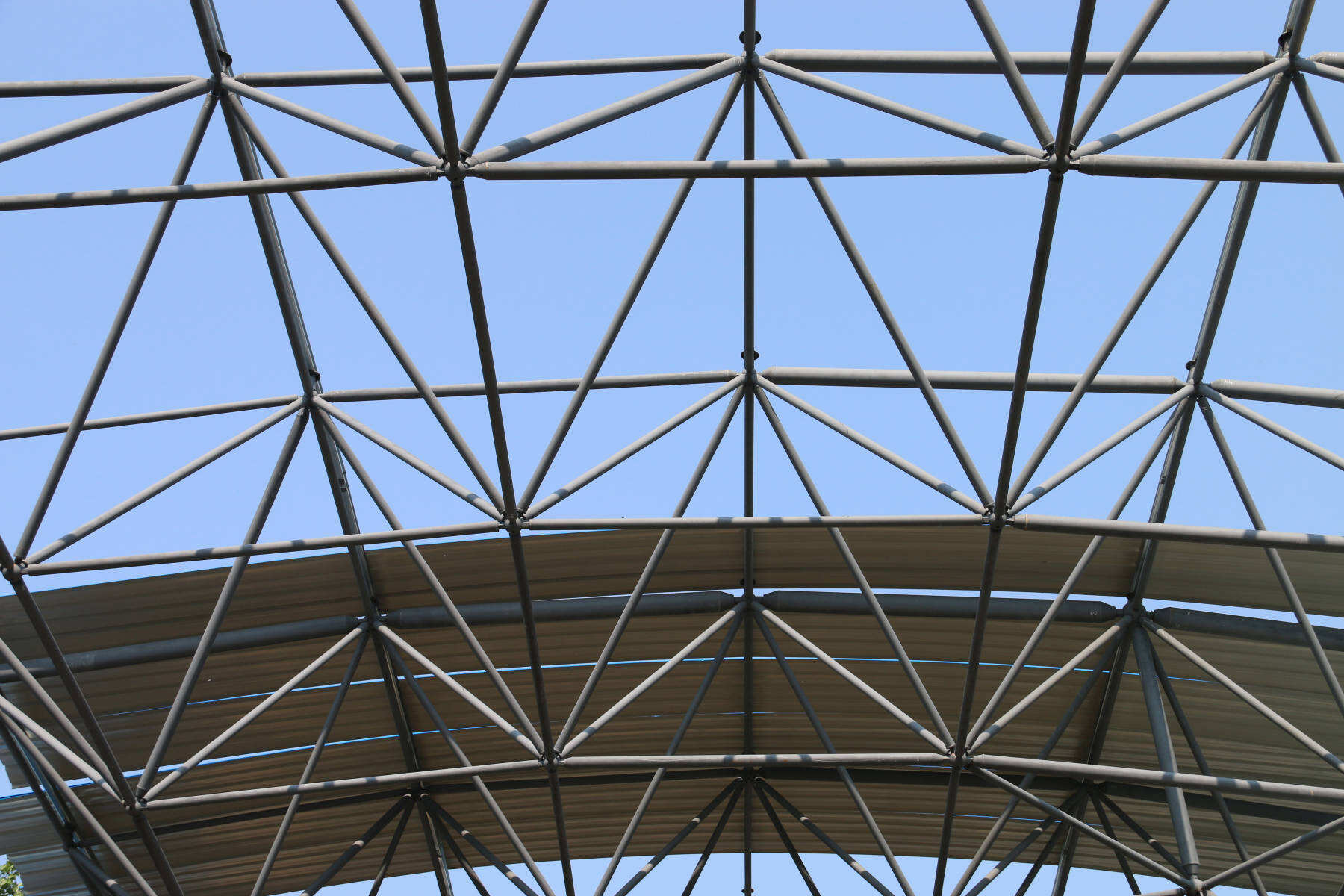
The core engineering longevity of any commercial steel frame structure heavily relies on the absolute integrity of its surface protection matrices and structural interlocks. Structural steel components are treated with advanced specialized primers and topcoats to isolate the underlying metallurgical substrate from airborne oxygen and moisture. Over time, constant thermal expansion and structural loading cycles can introduce microscopic stress fractures in these protective barriers, particularly around high-stress connection plates and structural bolts.
To better visualize how a professional engineering approach maps to specific critical structural zones within a modern commercial facility, the following comprehensive maintenance matrix summarizes the key focus areas:
| Critical Structural Zone | Potential Environmental Threat | Engineering Preventive Action | Long-Term Operational Value |
| Exposed Primary Columns and Girders | Atmospheric oxidation and surface coating abrasion | Localized abrasive cleaning and prompt application of zinc-rich primers | Preserves primary load-bearing structural capacity and delays major refurbishments |
| High-Strength Structural Bolt Arrays | Kinetic torque loosening and galvanic corrosion | Periodic tension verification and application of protective seal cap barriers | Eliminates structural deflection risks and ensures stable joint connectivity |
| Roof and Wall Panel Fasteners | EPDM washer degradation and wind-load shearing | Visual inspection of sealing washers and systematic fastener replacement | Prevents persistent internal moisture ingress and preserves facility climate control |
Upholding Stringent International Building Codes for Enclosure Security
In highly regulated global industries, maintaining complete alignment with established international building codes and insurance underwriting mandates is an absolute operational necessity. Flexible metal flashings, expansion joints, and perimeter gutters must remain entirely clear of organic debris and standing water to prevent localized ponding. Global engineering consensus highlights that the vast majority of premature building aging stems not from internal core failure, but from the degradation of secondary perimeter sealants. Ensuring that the structural steel frame remains perfectly dry and shielded from acidic rainwater minimizes unexpected structural insurance claims and guarantees full structural compliance during routine municipal safety reviews.
Withstanding Chemical Exposure and Weather Extremes via Material Resilience
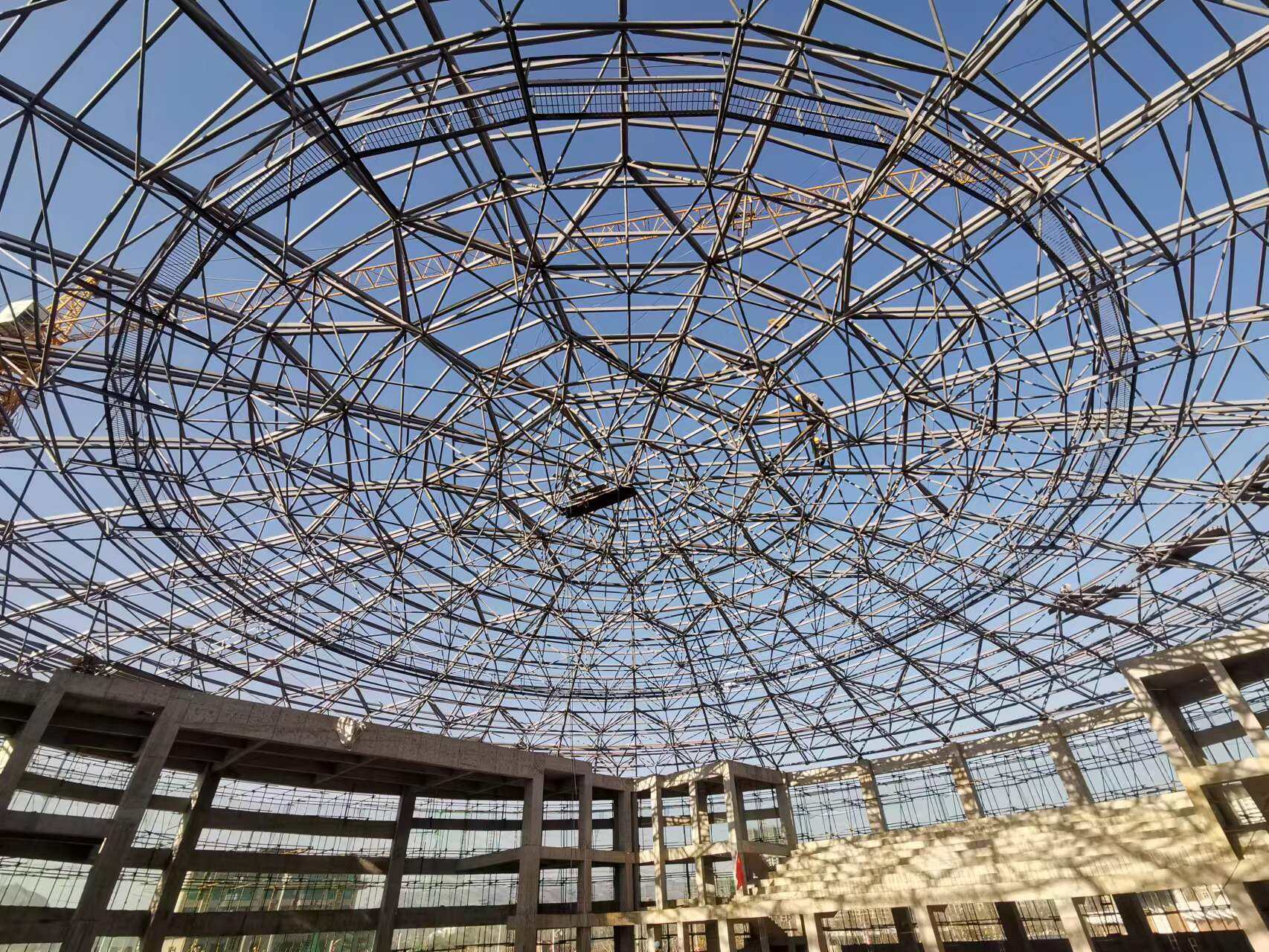
Industrial infrastructure facilities often operate in highly aggressive environments, ranging from coastal marine zones with high airborne salinity to heavy manufacturing centers exposed to chemical vapors. Standard structural materials crack or rot when confronted with these severe ambient conditions. In contrast, a high-quality steel frame that is paired with sophisticated metallurgical treatments maintains robust resistance to environmental hazards. Ensuring that all external drainage channels flow smoothly away from the base plates prevents the pooling of corrosive liquids, preserving the foundational anchor configurations and securing the structural shell against extreme crosswind forces over decades of continuous operation.
Capitalizing on Precision Component Fabrication and Advanced Logistics Networks
Achieving seamless, lifelong structural performance across diverse industrial climates ultimately requires a manufacturing partner capable of merging advanced metallurgy with precision fabrication engineering. This sophisticated fabrication capability and responsive global delivery support is exactly where premier structural engineering groups, such as HBWJSS, deliver distinctive competitive advantages to international contractors and procurement teams. By utilizing state-of-the-art automated welding systems, rigorous anti-corrosion coating protocols, and precision component pre-punches, the manufacturing facilities consistently supply highly resilient, fully compliant structural solutions tailored to precise commercial project specifications. This comprehensive engineering expertise ensures that global clients receive elite building components optimized for rapid site assembly and minimal long-term upkeep anywhere in the world.
Table of Contents
- Surviving the Harsh Realities of Environmental Wear Through On-Site Inspections
- Deconstructing the Degradation Mechanics of Protective Coatings and Connections
- Upholding Stringent International Building Codes for Enclosure Security
- Withstanding Chemical Exposure and Weather Extremes via Material Resilience
- Capitalizing on Precision Component Fabrication and Advanced Logistics Networks