
 EN
EN
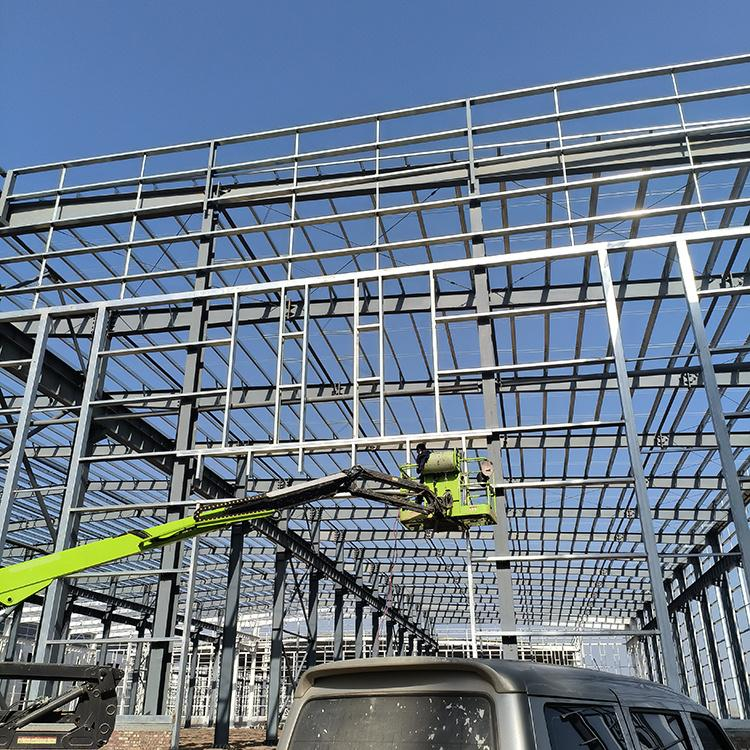
Navigating the complex world of cross-border construction often leaves project managers and real estate developers wrestling with a critical question: can regional structural steel fabrication consistently satisfy stringent international building codes? The commercial stakes involved in this dilemma are incredibly high. A single compliance failure at a customs checkpoint or during an on-site structural inspection can trigger catastrophic project delays, severe financial penalties, and compromised asset safety. However, when managed through a highly sophisticated manufacturing framework, custom steel production not only meets these diverse global mandates but actually elevates the structural integrity and long-term commercial value of the entire development. Achieving this benchmark requires moving far beyond basic welding, demanding instead a deeply rooted culture of technical precision and comprehensive regulatory alignment from the very beginning.
Deconstructing Global Structural Material Standards and Compliance Foundations
The path to international compliance always begins with a deep, professional understanding of metallurgy and material science. Experienced structural engineers know that steel is not a uniform commodity; alternative regional designations carry distinct chemical compositions, yield strengths, and notch toughness characteristics. Navigating the subtle differences between American standards, European norms, and regional Pacific building codes is mandatory for any cross-border project. In a recent industrial framework project designed for a highly corrosive coastal environment, failure to properly align the raw material specifications with local atmospheric exposure requirements would have led to premature structural degradation. By meticulously auditing mill test certificates and verifying material chemistry before a single beam is cut, specialized production teams establish a transparent, compliant foundation that protects clients from regulatory risk.
Advanced Processing Methodologies and International Quality Assurance
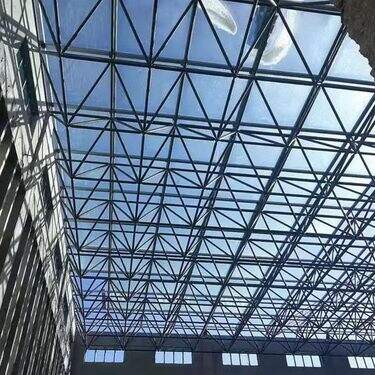
Transforming raw steel into code-compliant structural components demands highly disciplined shop-floor execution and precise process control. International codes do not just regulate the final physical dimensions; they dictate the exact methodologies used for cutting, drilling, and shaping. Modern production facilities utilize advanced automated machinery to execute structural detailing with extreme precision, virtually eliminating the human errors common in traditional manual layouts. Furthermore, welding protocols must be qualified under recognized international welding societies, ensuring that every joint possesses load-bearing capabilities that match or exceed the parent metal. Implementing comprehensive non-destructive testing, such as ultrasonic or magnetic particle inspections, provides verifiable proof that the internal integrity of the structural framing is flawless and ready to pass any third-party engineering audit.
To better understand how these engineering decisions translate into practical structural requirements, the following matrix outlines the key design parameters and their industrial benchmarks:
| Design Phase Parameter | Key Technical Focus | Primary Compliance Standard | Impact on Project Value |
| Load Bearing Evaluation | Combined environmental and structural dead/live loads | Recognized National Structural Codes | Prevents structural failure under extreme conditions |
| Material Selection | Yield strength and grade optimization based on application | International Steel Material Standards | Minimizes total steel tonnage and lowers raw material costs |
| Spatial Optimization | Clear-span distances and crane runway clearances | Local Codes and Structural Associations | Maximizes usable interior floor space for operations |
Precision Detailing and Collaborative Structural Value Engineering
A frequent bottleneck in international construction arises from the gap between high-level architectural conceptual drawings and practical, factory-ready shop drawings. Structural value engineering resolves this friction by translating localized architectural intent into universally understood fabrication blueprints. During this technical detailing phase, engineers carefully analyze connection designs, deciding whether high-strength bolted connections or specialized factory welding will deliver the safest and most efficient on-site erection. This phase also factors in international shipping logistics; massive structural trusses or oversized columns are strategically segmented to fit securely within standard shipping containers or ocean freight configurations without requiring cost-prohibitive transport permits. This careful foresight guarantees that the components are optimized for both rapid ocean transit and swift, error-free assembly upon arrival at the destination.
Robust Document Traceability and Complete Supply Chain Transparency
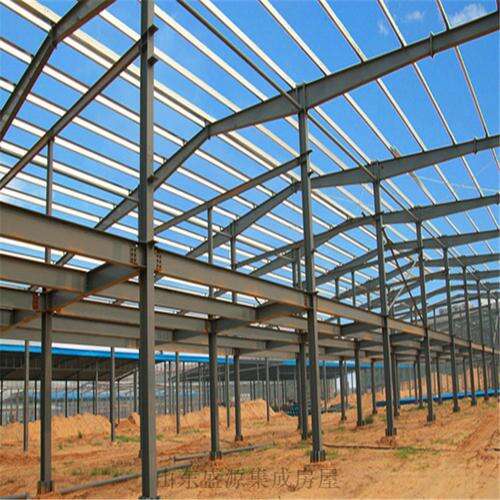
In the eyes of international building inspectors, a structural component is only as compliant as the paperwork that accompanies it. Total document traceability is the cornerstone of regulatory trustworthiness. Every individual steel member must be linked to a clear, verifiable paper trail that details its entire journey from the original steel mill pour to the final protective coating application. This transparent data package typically includes certified mill test reports, detailed welding logs, non-destructive test results, and surface preparation compliance records. Providing this comprehensive documentation openly to project stakeholders not only accelerates local building permit approvals but also gives international investors absolute peace of mind regarding the structural liability and long-term asset value of their commercial property.
Integrated Global Manufacturing Synergy and High-Performance Delivery
Successfully delivering code-compliant structural components across borders ultimately requires an industrial partner possessing a sophisticated, fully integrated global supply chain. This high-tier operational capability is exactly where premier manufacturing networks, such as Wanjie Steel, provide immense commercial leverage. By merging massive raw material procurement capabilities with advanced automated processing lines, the production pipeline easily absorbs complex international design requirements without sacrificing speed or quality. When high-precision engineering data flows seamlessly from the digital design software directly into automated cutting and fabrication systems, every component is manufactured to exacting global tolerances. This synchronized manufacturing and supply chain expertise ensures that even the most complex industrial frameworks are delivered on time, fully certified, and perfectly optimized for rapid site installation anywhere in the world.
Table of Contents
- Deconstructing Global Structural Material Standards and Compliance Foundations
- Advanced Processing Methodologies and International Quality Assurance
- Precision Detailing and Collaborative Structural Value Engineering
- Robust Document Traceability and Complete Supply Chain Transparency
- Integrated Global Manufacturing Synergy and High-Performance Delivery