
 EN
EN
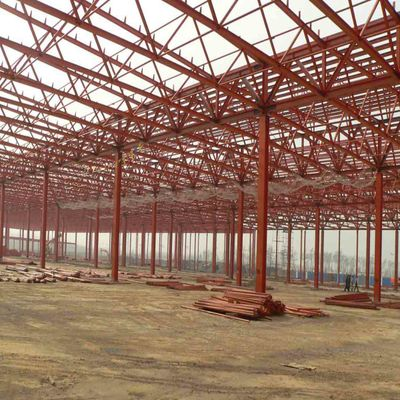
In modern architecture and heavy industry, the shift toward steel construction is undeniable. Whether for expansive warehouses, industrial workshops, or iconic stadium roofs, the durability of a project depends entirely on the initial quality and safety protocols established long before the first beam is lifted. Structural success isn't just about the steel itself; it’s about the synergy between precision engineering, high-grade material sourcing, and rigorous field execution. Understanding the variables that influence these outcomes is the first step for any project manager or investor aiming for long-term reliability.
Material Quality and Specification Control
The journey toward a safe structure starts at the mill. Not all steel is manufactured to the same standard, and using sub-par materials is the quickest way to compromise structural integrity. High-quality steel must possess predictable mechanical properties, including consistent tensile strength, ductility, and weldability. If the chemical composition—such as the balance of carbon and manganese—is off, the metal may become brittle under stress or fail to resist environmental corrosion. Verification of mill certificates and independent testing of batch samples are non-negotiable steps to ensure that the steel used on-site meets international safety and load-bearing standards.
| Factor | Impact on Quality | Safety Implication |
| Material Purity | Determines corrosion resistance | Prevents premature structural fatigue |
| Mechanical Properties | Affects load-bearing capacity | Ensures stability under seismic loads |
| Surface Treatment | Prevents oxidative degradation | Increases the lifespan of the framework |
Precision in Fabrication and Engineering
Engineering precision is the heartbeat of steel construction. Even the highest quality steel will fail if the fabrication process is flawed. Detailed shop drawings must translate architectural intent into perfect dimensional accuracy. Any slight misalignment during hole punching, cutting, or welding can cause massive headaches during on-site assembly, often leading to structural "stress concentrations" where the steel is forced into place rather than naturally settled. Modern manufacturing facilities, such as those operated by Wanji, utilize advanced CNC equipment to minimize human error and ensure that every connection point is engineered for maximum stability.
The Role of Professional Installation
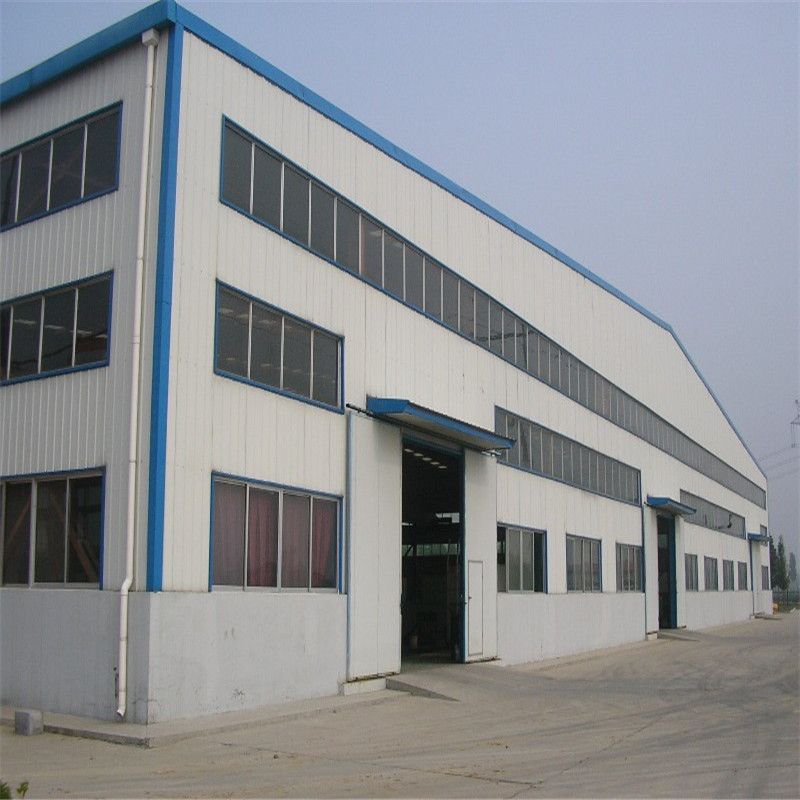
Field execution is where designs are tested against reality. Skilled labor and proper equipment are paramount during the erection phase. Uncontrolled environmental conditions, such as extreme winds or temperature shifts, can affect the alignment of steel members. Standardized safety practices must be strictly followed to prevent displacement. Using certified welding inspectors and adhering to a logical assembly sequence ensures that no part of the structure remains unsupported or unbalanced during the building process.
Operational Safety and Environmental Resilience
A steel structure is only as safe as its ability to withstand the environment it inhabits. Factors like humidity, chemical exposure, and temperature extremes necessitate specialized coatings and protective measures. Furthermore, designing for specific regional requirements—such as earthquake-resistant bracing or snow-load-bearing roof trusses—is critical. Wanji provides one-stop solutions, from design to installation, ensuring that each project is tailored to the specific environmental demands of its location, whether it’s a coal storage shed or a gymnasium roof.
| Inspection Stage | Key Focus Area | Goal |
| Shop Fabrication | Weld soundness & Tolerances | Eliminate structural defects early |
| Site Assembly | Alignment & Bolting | Ensure permanent structural equilibrium |
| Final Review | Coating & Load Testing | Confirm longevity and performance |
Partnering for Long-Term Value
Choosing the right partner is the ultimate factor in project safety. Effective collaboration with a manufacturer that provides end-to-end support—including engineering consultation, custom fabrication, and professional on-site installation—mitigates the risks associated with fragmented supply chains. With over 52,000 square meters of production facilities and a focus on global quality certifications like ISO 9001 and ISO 14001, Wanji has established itself as a reliable force in the steel construction sector. By maintaining rigorous control over every stage from raw material selection to final delivery, Wanji ensures that global clients receive steel structures that are not only efficient and cost-effective but also built to endure for decades.