
 EN
EN
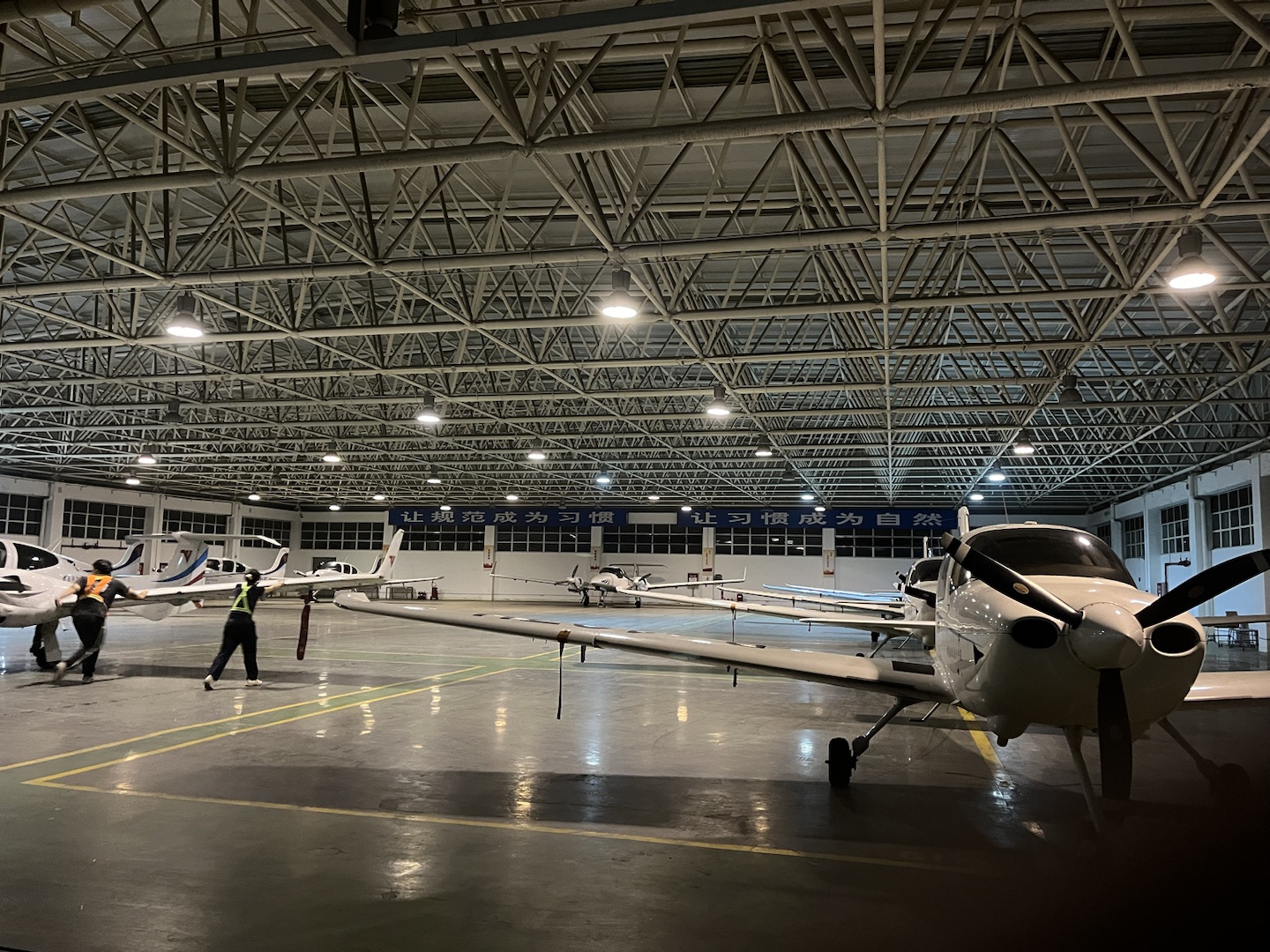
Steel is the premier material for industrial construction—including manufacturing plants, warehouses, logistics hubs, and processing facilities. Its unique structural properties, rapid assembly, and economic efficiency make it superior to traditional concrete and timber.
1. Exceptional Strength-to-Weight Ratio and Large Clear Spans
The high strength-to-weight ratio of structural steel allows for large clear-span layouts that are essential for modern industrial operations:
-
Column-Free Spaces: Steel space frames and heavy trusses can easily span 30 to over 80 meters without interior support columns, maximizing usable floor area for manufacturing equipment, assembly lines, and high-density racking systems.
-
Heavy Load Support: Steel frames easily accommodate heavy dynamic loads from overhead bridge cranes, suspended HVAC equipment, and solar arrays without compromising structural integrity.
-
Lighter Foundations: Because steel structures weigh significantly less than equivalent reinforced concrete structures, foundation size and concrete requirements are reduced, saving time and soil preparation costs.
2. Rapid Off-Site Fabrication and Faster Construction
Time-to-market is critical for industrial projects. Steel prefabrication significantly reduces the overall project schedule compared to on-site concrete casting.
Construction Timeline Comparison
| Construction Method | Primary Workflow | Weather Dependency | Typical Project Timeline |
| Cast-in-Place Concrete | Sequential (Foundation to Column Curing, then Slab) | High (Rain, cold, and humidity delay curing) | 9 to 18 months |
| Prefabricated Steel Frame | Parallel (Site foundation work + Factory steel fabrication) | Low (Components built in controlled factory) | 3 to 6 months |
-
Parallel Processing: Off-site factory fabrication occurs simultaneously while ground excavation and foundation pouring happen on-site.
-
Bolt-Together Assembly: Prefabricated members arrive ready for immediate erection using high-strength bolts and welds, cutting field labor requirements by up to 80%.
3. Exceptional Design Flexibility and Scalability
Industrial operational requirements evolve over time. Steel framing offers unique structural adaptivity:
-
Seamless Modular Expansion: Steel structures can be pre-engineered with pre-drilled connection points and load-bearing end frames, making future building extensions straightforward and cost-effective.
-
Layout Adaptability: Non-load-bearing interior walls and mezzanines can be added, moved, or removed without affecting the primary structural frame.
-
Custom Clearance Heights: High-bay designs easily accommodate multi-tier crane systems, high-reach forklifts, and complex material handling setups.
4. Durability and Harsh Environment Resistance
Industrial facilities are subjected to aggressive internal and external conditions. Engineered steel systems provide decades of reliable service:
-
Structural Resilience: Steel maintains structural integrity against industrial vibrations, impact forces, seismic events, and severe wind loads.
-
Protective Coating Systems: Modern anti-corrosion treatments—such as hot-dip galvanizing, zinc-rich primers, and heavy epoxy coatings—protect structural members against humidity, airborne chemicals, and aggressive industrial fumes.
-
Non-Combustible and Pest-Resistant: Unlike timber, steel is non-combustible, reducing fire risks and lower long-term insurance premiums. It is also impervious to rot, mold, and insect damage.
5. Lifecycle Cost Efficiency and Sustainability
Evaluating total cost of ownership demonstrates steel's economic advantage over the lifespan of a facility:
Economic Advantages
-
Lower Initial Capital Cost: Total initial construction costs for pre-engineered steel buildings are typically 20% to 35% lower than reinforced concrete alternatives.
-
Reduced On-Site Overhead: Fewer workers, shorter equipment rental periods, and reduced waste lower field management overhead.
-
Lower Maintenance Expenses: Factory-applied protective coatings minimize ongoing painting and structural repair costs over decades.
Environmental Benefits
-
High Recyclability: Structural steel is 100% recyclable at the end of its service life without any loss in mechanical performance. Modern steel production utilizes a high percentage of post-consumer scrap.
-
Zero On-Site Waste: Factory precision cutting reduces raw material waste to less than 5% (compared to 15% to 25% for traditional on-site construction).