
 EN
EN
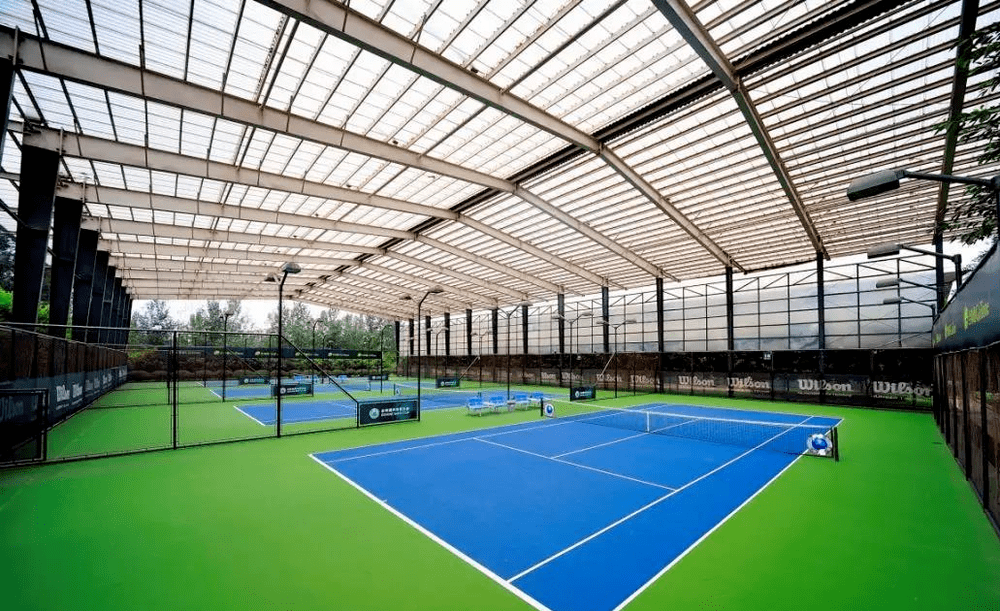
Preventing Space Frame Rust and Corrosion: A Complete Technical Guide
Space frames—three-dimensional steel truss systems constructed from interconnected nodes and struts—offer exceptional strength-to-weight ratios for large-span roofs, stadiums, warehouses, and industrial facilities. However, their high density of connection points, internal tube cavities, and complex geometry make them particularly vulnerable to environmental corrosion.
Preventing structural rust requires an end-to-end strategy spanning material selection, surface preparation, protective coatings, node sealing, and routine maintenance.
1. Primary Causes of Corrosion in Space Frames
Corrosion in steel space frames is an electrochemical reaction triggered when iron in the steel reacts with oxygen and water to form iron oxide (rust).
Vulnerability Drivers:
-
Internal Cavity Trapping: Hollow structural section (HSS) tubes can trap ambient humidity, leading to hidden internal rust that degrades member wall thickness undetected.
-
Complex Node Geometry: Bolted ball nodes, sleeve connections, and threaded assemblies create tight crevices that hold standing water, chloride ions, and airborne pollutants.
-
Mill Scale Electrolink: Unremoved mill scale (black iron oxide from manufacturing) acts as a cathode relative to base steel, accelerating localized pitting underneath paint coatings.
2. Structural Materials and Barrier Options
Protecting a space frame begins with selecting materials appropriate for the atmospheric corrosivity category (ISO 12944-2, categories C1 through C5).
Material Comparison Matrix
| Material / Treatment | Corrosion Defense Mechanism | Pros | Cons / Limitations | Best Use Case |
| Hot-Dip Galvanizing (HDG) | Sacrificial zinc anode protection + physical barrier | Complete interior/exterior coverage; self-healing zinc patina | Potential heat distortion on thin-walled members | High-humidity, marine, or outdoor open-air structures |
| Weathering Steel (Corten) | Dense copper-nickel-chromium oxide patina formation | Eliminates need for initial or ongoing painting | Requires dry-wet cycles; vulnerable to standing water and marine salts | Moderate outdoor environments with low chloride exposure |
| Epoxy/Polyurethane Duplex Coating | Barrier protection + UV-resistant topcoat | Customizable color; superior chemical resistance | Requires strict surface preparation; prone to scratch damage | Industrial facilities, indoor arenas, chemical storage |
| Stainless Steel (304 / 316) | Passivated chromium oxide surface film | Exceptional innate resistance to severe chemical environments | High material cost | Architectural node components and harsh chemical processing units |
3. Surface Preparation Standards and Multi-Layer Coating Systems
Coatings fail prematurely when applied over contaminated steel. Surface preparation is the most critical determinant of coating adhesion and longevity.
Surface Preparation Standard (ISO 8501-1 / SSPC)
Before applying any primer, the steel must undergo Sa2.5 Near-White Metal Blast Cleaning (equivalent to SSPC-SP10):
-
Requirement: 95% of all visible oil, grease, dirt, mill scale, rust, and foreign matter removed.
-
Surface Profile: Achieves a surface anchor profile of 40 to 75 micrometers to ensure mechanical keying of the primer.
The Three-Layer Anti-Corrosion System
Topcoat (Polyurethane or Fluoropolymer): UV & Weathering Protection (60 to 80 micrometers)
Intermediate Coat (Epoxy MIO): Moisture Barrier & Film Build (100 to 150 micrometers)
Primer (Zinc-Rich Epoxy): Adhesion & Sacrificial Defense (60 to 80 micrometers)
Base Substrate: Base Steel Substrate (Sa2.5 Prepared)
-
Zinc-Rich Epoxy Primer (Cathodic Defense): Contains high concentrations of metallic zinc powder to provide galvanic protection if the coating is scratched.
-
Epoxy Intermediate Coat (Barrier Defense): High-build epoxy layered with Micaceous Iron Oxide (MIO) creates a tortuous pathway that restricts water and oxygen diffusion.
-
Polyurethane or Fluoropolymer Topcoat (Environmental Defense): Delivers color retention, resistance to atmospheric UV radiation, and protection against chemical weathering.
4. Node Sealing and Internal Tube Protection
Nodes and threaded connections represent the highest risk areas for crevice corrosion.
-
Internal Potting & Grouting: Filling hollow ball nodes or sleeve cavities with non-shrink epoxy grouts or high-elasticity polyurethane compounds prevents water accumulation.
-
Double-Layer Washer Systems: Stainless steel or synthetic elastomeric washers must be placed under bolt heads and sleeves to seal thread entry points.
-
Drainage Holes: If members are not hermetically sealed via welding, small, strategically placed drain holes allow condensation to escape from lower-chord struts.
-
Vapor Corrosion Inhibitors (VCIs): Inserting VCI packets or spraying VCI oil into hollow sections before sealing protects unpainted internal surfaces.
5. Inspection Protocol and Preventive Maintenance
Maintenance programs should follow ISO 12944 guidelines to extend structural service life.
Inspection Checklist:
-
Visual Corrosion Screening: Inspect bottom-chord nodes, support pedestals, and roof penetration zones for rust bleeding or coating blistering.
-
Dry Film Thickness (DFT) Verification: Use magnetic or ultrasonic thickness gauges to verify coating integrity against baseline specs.
-
Node Joint Audit: Check sealants around ball nodes for cracking, shrinking, or UV degradation.
Corrective Action Protocol:
-
Spot Remediation: Wire brush or localized power-tool clean (St3 standard) rusted spots to bare metal.
-
Feathering: Sand back paint edges around the repair zone to create a smooth transition.
-
Touch-Up Application: Reapply matching zinc-rich primer, intermediate coat, and topcoat according to original Dry Film Thickness (DFT) specifications.
Summary Checklist for Space Frame Protection
-
Select Hot-Dip Galvanizing or Duplex Systems for severe atmospheric categories.
-
Enforce Sa2.5 blast cleaning prior to applying protective coatings.
-
Maintain minimum total Dry Film Thickness (DFT) guidelines (typically 240 to 320 micrometers for C4/C5 environments).
-
Seal all node connections, bolt access ports, and hollow cavities.
-
Perform annual visual inspections focusing on joints, lower chords, and drainage pathways.
Table of Contents
- Preventing Space Frame Rust and Corrosion: A Complete Technical Guide
- 1. Primary Causes of Corrosion in Space Frames
- 2. Structural Materials and Barrier Options
- 3. Surface Preparation Standards and Multi-Layer Coating Systems
- 4. Node Sealing and Internal Tube Protection
- 5. Inspection Protocol and Preventive Maintenance
- Summary Checklist for Space Frame Protection